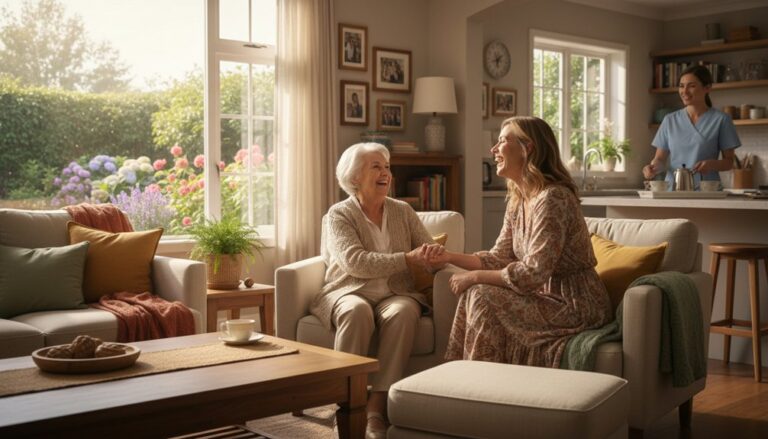
The Value of Patient, Personal Support in Daily Senior Care
Personalized support in daily senior care is essential for enhancing emotional well-being and fostering a sense of dignity. When you engage with seniors on a personal level, you create a nurturing environment that values their unique preferences. This tailored approach empowers them to maintain independence and boosts their overall happiness. By building trust through empathy and meaningful interactions, you strengthen their connections. Discover how compassionate care transforms daily life for seniors and continues to make a difference.
Key Takeaways
- Personalized support enhances seniors’ emotional well-being, fostering dignity and respect in their daily care routines.
- Empathy in caregiving builds trust, allowing seniors to express their needs and preferences comfortably.
- Tailored interactions promote independence, empowering seniors to engage actively in their daily activities.
- Consistent, patient support strengthens emotional connections, leading to improved overall quality of life.
- Recognizing individual needs and interests enriches daily experiences, enhancing motivation and satisfaction among seniors.
Why Personalized Support Matters for Seniors
When it comes to senior care, personalized support isn’t just a luxury—it’s essential. Tailoring care to each individual’s needs fosters a sense of dignity and respect.
You’ll find that when seniors receive customized assistance, they’re more engaged and motivated. This support can enhance their overall well-being, making daily tasks easier and more enjoyable.
Understanding their unique preferences, routines, and health conditions allows you to create a nurturing environment. It’s about building trust and a genuine connection, which can greatly improve their quality of life.
When you prioritize personalized support, you empower seniors to maintain their independence while feeling valued. Ultimately, it’s this focused approach that leads to happier, healthier lives for those you serve. Additionally, involving families in the care process can further enhance the quality of care provided to seniors.
The Role of Empathy in Personalized Senior Care
Empathy plays an essential role in delivering personalized senior care, as it enables caregivers to truly understand and connect with the individuals they assist.
When you practice empathy, you’re not just meeting physical needs; you’re acknowledging emotions and experiences that matter deeply to seniors.
By actively listening and validating their feelings, you create a safe space where they feel valued. This emotional connection fosters trust and encourages seniors to express their needs and preferences openly.
It also allows you to tailor care approaches that resonate with their unique life stories.
Ultimately, your empathetic approach enhances their overall well-being, making each interaction more meaningful and impactful in their daily lives. Additionally, fostering a sense of belonging can significantly improve their emotional and physical well-being.
Building Trust: The Key to Effective Care
Trust is the foundation upon which effective senior care is built, as it fosters open communication and cooperation between caregivers and seniors. When you approach your role with honesty and integrity, you create a safe space for seniors to express their needs and concerns.
Building trust starts with active listening; show that you value their opinions and experiences. Consistency in your actions and words reassures seniors that they can rely on you. Be patient and respectful, acknowledging their feelings and autonomy. This trust not only improves the quality of care but also enhances the emotional well-being of those you serve. By nurturing this relationship, you empower seniors to engage fully in their care journey, leading to better outcomes for everyone involved. Additionally, involving families in care plans strengthens the sense of community involvement, enriching the overall experience for seniors.
Tailoring Support: Understanding Individual Needs
Understanding that each senior has unique needs is essential for providing effective support. When you take the time to listen and observe, you’ll discover what truly matters to them. Maybe they have specific hobbies, dietary preferences, or health concerns.
Tailoring your approach means connecting on a personal level, which fosters trust and comfort. Ask open-ended questions to learn about their interests and routines. This way, you can create a supportive environment that respects their individuality.
For instance, if they love gardening, include related activities in their day. By recognizing and addressing their distinct needs, you empower seniors to feel valued and respected, enhancing their overall well-being. Incorporating person-centered care principles not only improves their daily experiences but also strengthens the bond between caregiver and senior.
Your personalized support can make a significant difference in their daily lives.
Practical Strategies for Enhancing Independence in Seniors
Enhancing independence in seniors is essential, especially when you consider how it affects their self-esteem and quality of life.
Start by encouraging them to participate in daily tasks, like meal preparation or light cleaning. Offer adaptive tools—like jar openers or reachers—to make these tasks easier.
Encouraging seniors to engage in daily tasks with adaptive tools fosters independence and enhances their overall well-being.
Set up a routine that promotes physical activity, whether it’s walking, gardening, or simple stretching. Encourage social connections by facilitating group activities or outings, which can boost mood and provide a sense of community. Incorporating gentle exercises can further enhance their confidence and overall life satisfaction.
Finally, celebrate their achievements, no matter how small, to reinforce their sense of capability.
Identifying Common Challenges in Senior Care and How to Address Them
Maneuvering the landscape of senior care can present various challenges that impact both caregivers and seniors. You might face issues like communication barriers, mobility restrictions, or resistance to assistance. Recognizing these challenges is the first step toward effective solutions.
For instance, maintaining open lines of communication helps build trust and understanding, making it easier for seniors to express their needs. When it comes to mobility, consider adaptive tools and techniques to enhance independence. If seniors resist help, approach them with empathy, explaining the benefits of support. By actively listening and adapting your approach, you can create a more positive environment.
Additionally, integrating social interaction into daily routines can significantly improve emotional well-being. Addressing these common challenges fosters better relationships and improves the overall quality of care for seniors.
How Compassionate Care Can Benefit Seniors Over Time
While you may not realize it, compassionate care can greatly impact a senior’s well-being over time. When you approach your interactions with empathy and kindness, you foster a sense of trust and security. This emotional support can reduce feelings of loneliness and anxiety, leading to improved mental health.
Additionally, compassionate care encourages seniors to engage more actively in their daily lives, whether through social activities or simple conversations. You’ll notice that when seniors feel valued and understood, they’re more likely to maintain their independence and dignity.
Over time, this nurturing environment can enhance their overall quality of life, making even the smallest moments meaningful. Providing personalized care plans tailored to individual needs can further enrich this experience, ensuring residents feel truly supported.
The Transformative Impact of Personalized Support on Daily Senior Life
Personalized support takes compassionate care to the next level, tailoring interactions and assistance to meet the unique needs and preferences of each senior.
When you engage with seniors on a personal level, you create an environment where they feel valued and understood. This tailored approach not only boosts their emotional well-being but also greatly enhances their daily experiences.
Simple gestures, like remembering their favorite activities or adapting routines to their preferences, can make a world of difference. You’re not just providing care; you’re nurturing connections that foster trust and comfort.
By focusing on individual needs, you empower seniors to maintain their dignity and independence, ultimately transforming their daily lives into more fulfilling experiences. Daily activities, such as group fitness classes, play a vital role in enhancing their overall well-being.
Your intentional support truly matters.
Frequently Asked Questions
What Qualifications Should Caregivers Have for Personalized Senior Support?
Caregivers should have compassion, patience, and effective communication skills. They need training in first aid, understanding dementia, and personal care techniques. Experience in senior care and a genuine desire to help are essential for personalized support.
How Can Families Get Involved in Personalized Senior Care?
You can get involved by regularly visiting, helping with daily tasks, and communicating openly with caregivers. Your presence, encouragement, and understanding make a significant difference in your loved one’s well-being and quality of life.
What Are the Costs Associated With Personalized Senior Support Services?
Costs for personalized senior support services vary widely, typically ranging from $20 to $100 per hour. Factors like location, care type, and provider expertise influence pricing. You’ll want to assess your loved one’s specific needs carefully.
How Can Technology Enhance Personalized Care for Seniors?
Technology enhances personalized care for seniors by providing tools like health monitoring apps, communication devices, and smart home systems. These innovations help you stay connected, streamline care routines, and guarantee seniors’ needs are met effectively.
What Legal Considerations Exist for Senior Care Providers?
You’ll need to evaluate liability, licensing, and compliance with regulations when providing senior care. Ensuring you meet health and safety standards protects your clients and your practice, fostering trust and a positive environment for everyone involved.