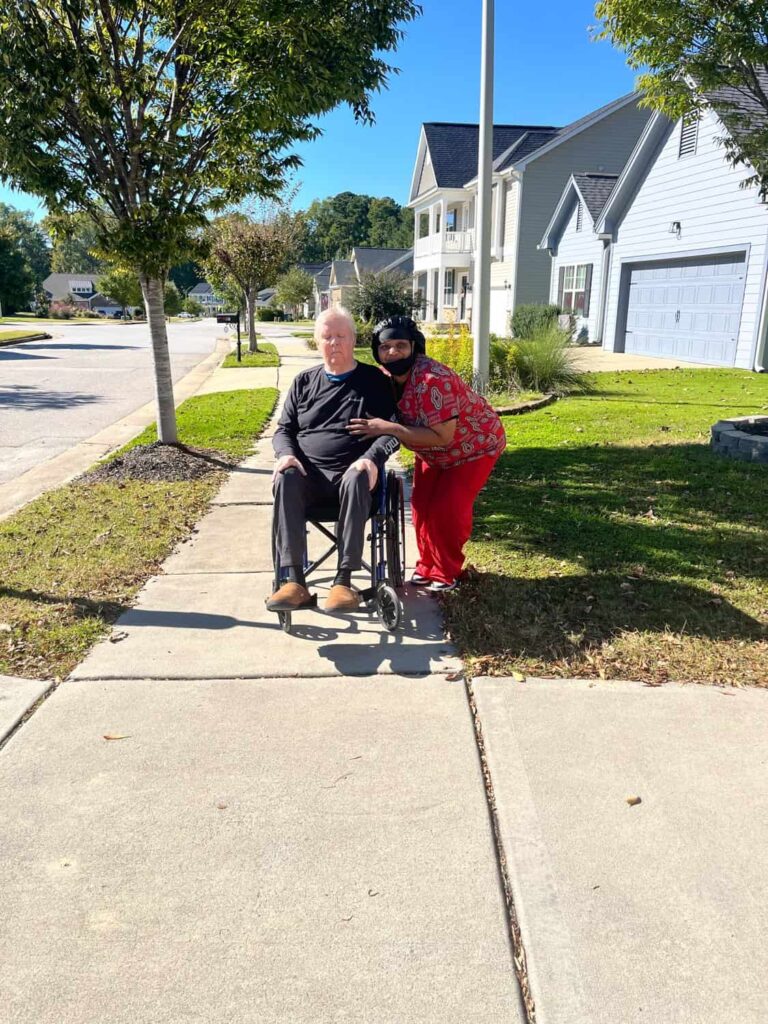
Essential Medication Management for Safe Residential Care Homes
To guarantee safety in residential care homes, focus on staff training and electronic documentation systems. Regular training helps prevent medication errors, while electronic records reduce mistakes and enhance communication. Involve residents and families in medication decisions to create personalized regimens, reducing the risks of polypharmacy. On-site pharmacists can monitor medications effectively, guaranteeing accurate administration. Implementing these practices fosters a safer environment for everyone. Learn how specific strategies can further enhance medication management and improve outcomes.
Key Takeaways
- Implement regular staff training every 24 months to reduce medication errors and enhance competency in medication management.
- Utilize electronic documentation systems to streamline communication and reduce medication errors by improving access to clinical information.
- Involve residents and their families in medication decisions to personalize treatment plans and foster greater engagement and adherence.
- Engage on-site pharmacists for routine medication reviews to identify and reduce potentially inappropriate medications and ensure optimal safety.
- Use structured communication protocols and visual aids to improve understanding and transparency regarding medication changes among residents.
Understanding Medication-Related Problems in Aged Care
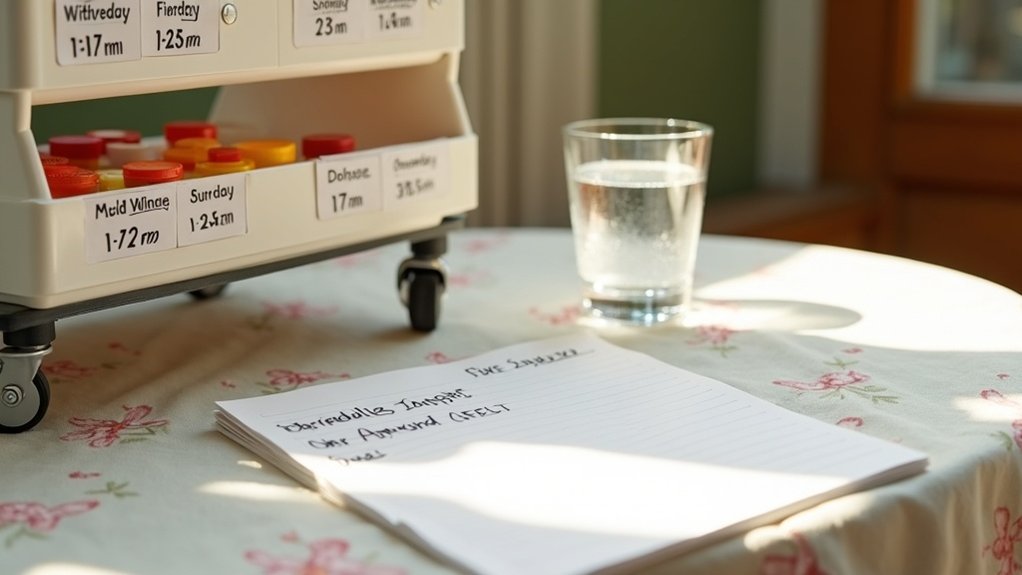
Understanding medication-related problems in aged care is crucial, especially since older adults face unique challenges that can complicate their treatment.
With physiological changes affecting how their bodies process medications, older adults are at higher risk for adverse drug reactions. The prevalence of polypharmacy—often involving 4 to 7 medications—means many might be taking inappropriate drugs, increasing their chances of hospitalization. In fact, medication process problems can significantly contribute to adverse outcomes in this population. At Miss Bell’s, we prioritize personalized care plans to address these specific medication needs effectively.
You might encounter patients who struggle with medication adherence due to cognitive impairment or complex dosages. It’s common for up to half of older adults not to follow their prescribed regimens.
Furthermore, financial and physical barriers can further hinder their ability to manage medications effectively. By recognizing these issues, you can better support older adults in steering through their medication needs, ensuring they receive the best possible care while minimizing risks associated with medication-related problems.
Your role is critical in advocating for their safety and well-being.
The Role of Staff Training in Medication Safety
While ensuring medication safety in residential care homes is a complex challenge, effective staff training plays a pivotal role in reducing errors and enhancing patient outcomes. Regular training every 24 months notably cuts down on medication mistakes, proving that up-to-date knowledge is essential. You’ll find that nearly two-thirds of staff without recent training make errors, highlighting the importance of ongoing education. Standardizing training across care homes can further enhance safety, especially for agency staff.
Incorporating simulation exercises and technology, like PDAs, can improve adherence to best practices. A positive safety culture, fostered through multidisciplinary training, encourages open communication and shared responsibility, reinforcing collective vigilance against errors. Family-like atmosphere is critical for enhancing medication safety, emphasizing the need for comprehensive training initiatives.
Importance of Electronic Documentation Systems
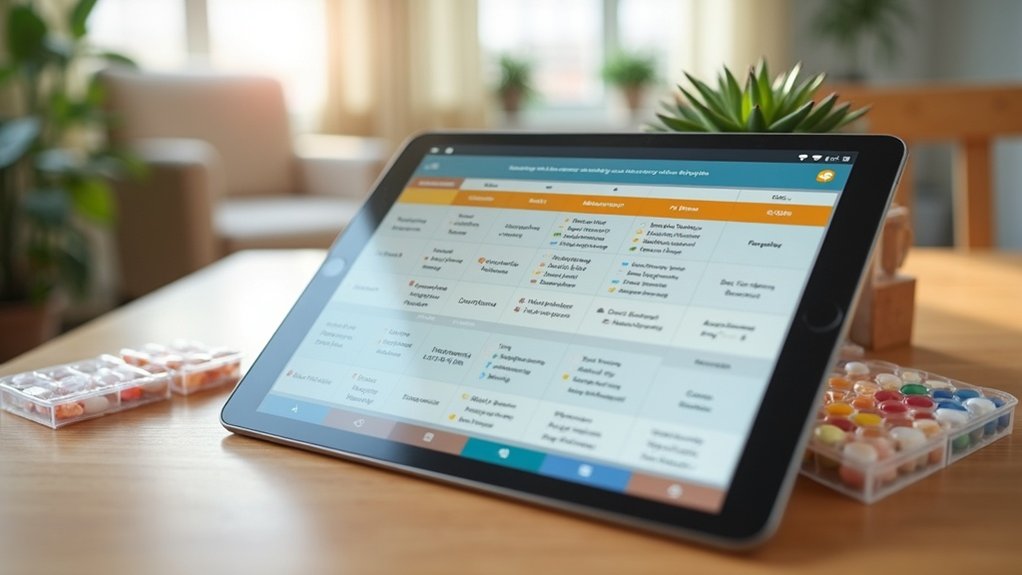
As electronic documentation systems become increasingly essential to residential care homes, their role in enhancing medication safety can’t be overstated. These systems lead to a remarkable 46% reduction in medication errors, which is critical for patient well-being. By providing quick access to necessary clinical information like allergies and lab results, you can make more accurate prescribing decisions. Additionally, the commitment to personalized attention at facilities like Miss Bell’s Assisted Living ensures that residents receive tailored care based on their unique health needs.
EHRs also offer real-time alerts for potential drug interactions, ensuring safer medication management. Moreover, standardized documentation across providers fosters consistency and accountability, while improving error reporting enhances process visibility. Furthermore, the implementation of EHRs leads to a 46% reduction in medication errors, reinforcing their importance in medication safety.
The elimination of paper-based documentation not only reduces legibility errors but also streamlines communication among care team members. Through integration with analytics, EHRs support targeted medication reviews and ongoing monitoring, allowing you to focus more on your residents’ needs.
Embracing electronic documentation systems is essential for delivering safe, efficient, and high-quality care in residential settings.
Implementing Resident-Centered Medication Practices
Implementing resident-centered medication practices means putting the preferences and needs of residents at the forefront of care. To truly engage residents and their families, you should involve them in medication-related decisions. They often express a desire to participate, and co-production workshops can help align interventions with their preferences.
By personalizing medication regimens and focusing on individual goals, you can reduce the risks associated with polypharmacy and guarantee safer choices. NCQA PCMH recognition has been linked to improved quality of care, which underscores the importance of engaging residents in their medication management. Additionally, a comprehensive approach in developing personalized care plans can further enhance medication safety and effectiveness.
Education and clear communication are essential. When residents understand their medications, they feel more in control and are likely to adhere better. Regular reviews and monitoring help identify inappropriate prescriptions and enhance safety.
Training staff in person-centered principles fosters a collaborative environment where everyone works together for the residents’ benefit. Ultimately, continuous evaluation and feedback from residents help refine practices, ensuring that care isn’t only safe but also tailored to their unique needs.
Benefits of On-site Pharmacists in Aged Care

On-site pharmacists play an essential role in enhancing medication management in aged care homes, ensuring that residents receive safer and more effective treatments. By conducting routine medication reviews, they help reduce the use of potentially inappropriate medications from 70.6% to 60.8%, safeguarding residents’ health. Their presence allows for better monitoring and documentation, leading to accurate medication administration records. Collaborating with prescribers, on-site pharmacists can quickly adjust medication regimens in response to emerging safety concerns, ultimately resulting in fewer medication-related adverse health outcomes. This model has been shown to significantly reduce PIMs use, leading to improved health outcomes, including better symptom control and safer polypharmacy management. Moreover, pharmacists contribute to multidisciplinary care planning, ensuring timely therapeutic adjustments. With a commitment from the government to support these roles, you can feel confident that integrating on-site pharmacists in aged care not only enhances medication safety but also enriches the overall quality of care provided to residents. In addition, their collaboration with compassionate, well-trained staff ensures that care plans remain personalized and effective.
Adhering to Regulatory Compliance and Best Practices
Guaranteeing effective medication management in residential care homes goes beyond the presence of on-site pharmacists; it also hinges on adhering to regulatory compliance and best practices. You must confirm medications are administered strictly according to prescriptions, documented orders, and resident records.
Secure storage for medications is non-negotiable, with controlled substances requiring additional safeguards. Trained personnel should administer medications, consistently following written policies and keeping their skills up-to-date through regular competency checks. Facilities must ensure that personal care services are specified in resident agreements, allowing residents to choose their service providers while complying with the necessary regulations. Additionally, personalized care plans can help address the unique medication needs of each resident to enhance their overall health.
Accurate documentation is essential—you need to record medication names, dosages, administration times, and any refusals. Respecting residents’ rights to self-administer when capable is critical, but it’s important to monitor their ability regularly.
Keep families informed about new medications or changes. By maintaining written policies and conducting regular audits, you can enhance safety and reduce risks, ultimately fostering a supportive environment for residents and their well-being.
Strategies for Reducing Polypharmacy Risks
While maneuvering through the complexities of medication management, you can take proactive steps to reduce the risks associated with polypharmacy in residential care homes.
Start by conducting thorough medication reviews annually, which can cut inappropriate drug use by up to 20%. Utilize explicit criteria like STOPP/START and Beers to identify potentially inappropriate medications and suggest safer alternatives. Engage pharmacists in your review teams to enhance the identification of drug–drug interactions. Additionally, ensuring professional medication administration can greatly improve the safety of medication management.
Implement structured deprescribing protocols targeting high-risk medications, and regularly assess ongoing medication needs, especially for “as needed” orders. Polypharmacy is common among older adults, making it vital to monitor their medication regimens closely.
Tailor individualized risk assessments for residents, focusing on their unique circumstances, such as age and comorbidities. Monitor for drug–drug interactions using specialized software, and make sure staff receives ongoing education to recognize common interactions.
Enhancing Communication With Residents and Families
Effective medication management goes beyond reviewing prescriptions and reducing polypharmacy risks; it also hinges on clear communication with residents and their families.
Using structured communication protocols, like standardized tools and visual aids, makes medication discussions more accessible. Regular updates about medication changes foster transparency, while clear language helps bridge health literacy gaps. Engaging pharmacists in the medication dispensing process can further enhance the quality of patient care.
Engaging with empathy and respect builds trust, so actively listen to residents and their families, acknowledging their feelings. Avoid patronizing language and use sensory accommodations when needed. Additionally, fostering meaningful connections with residents can lead to improved communication about their medication needs.
Technology can enhance involvement, allowing families to participate in discussions through video conferencing, ensuring they feel empowered.
Customized education sessions for families and caregivers boost understanding and safety while integrating their perspectives in care plans improves outcomes.
Frequently Asked Questions
What Are the Signs of Medication-Related Problems in Residents?
You should watch for signs like frequent vomiting, new rashes, or difficulty breathing, which may indicate medication issues.
Look out for excessive sleepiness, confusion, or sudden mood swings after medication administration.
Pay attention to changes in mobility or unexplained falls.
Also, be alert for discrepancies in medication records, missed doses, or incorrect medications, as these can lead to serious health problems.
Early recognition is key to ensuring residents’ safety and well-being.
How Can Families Support Medication Management for Their Loved Ones?
You can support medication management for your loved ones by staying involved in their care.
Attend doctor consultations, ask questions, and clarify any doubts about medications. Encourage regular medication reviews to guarantee everything’s up-to-date.
Help set up organized pill dispensers to prevent missed doses. Keep track of how they respond to medications and communicate any changes to the care team.
Your advocacy and involvement can greatly improve their safety and well-being.
What Should Residents Do if They Miss a Dose?
If you miss a dose, take it as soon as you remember, unless the next dose is due soon—then skip it and stick to your schedule.
Don’t double up without your healthcare professional’s advice.
Check your Medication Administration Record for specific instructions.
If you’re unsure or if it’s a critical medication, consult your pharmacist or prescriber immediately.
Always document missed doses according to your care plan and home policies.
How Often Should Medication Plans Be Reviewed?
You should review medication plans at least annually, as recommended by guidelines.
However, consider more frequent reviews based on individual needs, such as after significant health changes or hospital discharges.
If new symptoms arise or there are adverse events, an immediate review is essential.
Always reassess when medications start, stop, or change.
Regular reviews not only enhance safety but also improve overall care for residents, ensuring their well-being is prioritized.
What Are the Best Practices for Medication Storage in Homes?
To guarantee safe medication storage at home, keep medications in locked cabinets or carts to prevent unauthorized access.
Store them in cool, dry places, away from direct sunlight and moisture.
Label each container clearly and organize by resident or type of medication.
Regularly check for expiration dates and maintain accurate records.
Always follow specific storage instructions for sensitive medications, like insulin, to maintain their efficacy and safety for those you care for.