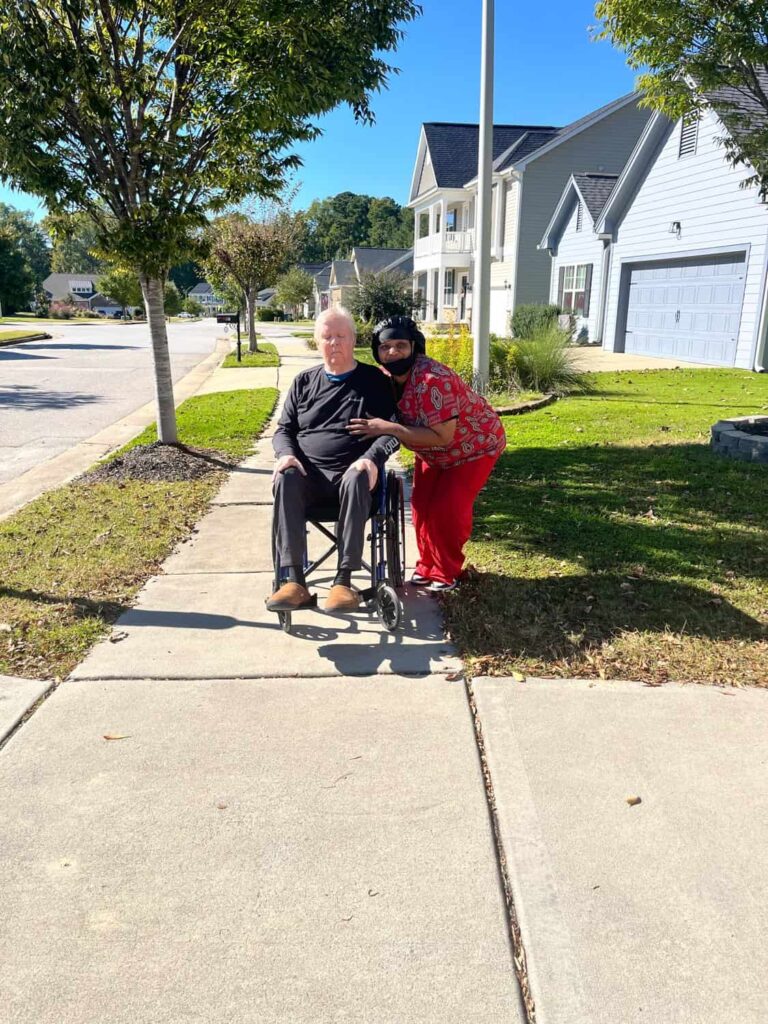
How to Build a Resident-Centered Care Plan: A Guide for Families
To build a resident-centered care plan, start by understanding your loved one’s unique needs and preferences. Engage with families and care teams to guarantee everyone’s involved. Conduct thorough assessments, focusing on emotional and psychosocial factors. Set individual goals together and keep the lines of communication open. Regularly monitor and adjust care plans to meet changing needs. This approach fosters empowerment and collaboration. There’s much more to explore about strengthening support systems for your loved one.
Key Takeaways
- Involve the resident and their family in discussions to capture their values, preferences, and individual goals for personalized care planning.
- Conduct comprehensive assessments that address psychosocial, emotional, and environmental factors to build a holistic understanding of the resident’s needs.
- Utilize structured tools like the Preferences for Everyday Living Inventory (PELI) to systematically document and update resident preferences in care plans.
- Foster collaboration among a multidisciplinary team to ensure clear communication and alignment of care plans with resident and family involvement.
- Regularly review and adjust the care plan based on evolving needs, preferences, and feedback from the resident and their family.
Understanding Person-Centered Care

While many healthcare approaches focus solely on medical issues, understanding person-centered care means recognizing the whole individual. This holistic approach respects each person’s unique values, needs, and preferences while considering the influence of their social and environmental context. By positioning individuals as active partners in their care, you empower them to make informed decisions that align with their goals. Person-centered care emphasizes respect for diversity, preferences, values, and unique health determinants, making it essential for effective healthcare. Additionally, personalized care at facilities like Miss Bell’s Assisted Living ensures that each resident’s specific needs are met.
Person-centered care distinguishes itself from patient-centered care by broadening the focus beyond immediate health concerns. It emphasizes prevention, overall well-being, and the roles of family and community in the care process. This model fosters stronger relationships between individuals and care teams, enhancing communication and trust. Ultimately, when you embrace person-centered care, you contribute to improved satisfaction, better management of chronic conditions, and a more compassionate healthcare environment.
Importance of Comprehensive Assessments
Thorough evaluations are essential for understanding the full spectrum of a resident’s needs, as they go beyond mere medical examinations to capture psychosocial, emotional, and environmental factors. By gathering detailed information—like cognitive patterns, mood, and communication abilities—you establish a solid clinical baseline. Analyzing physical functioning, health conditions, and nutritional status further enriches this understanding. Involving residents, staff, and families in the evaluation process guarantees you cover customary routines and preferences, providing a holistic view of their needs. Tools like the Patient Centered Assessment Method (PCAM) help analyze these multifaceted aspects, guiding tailored care planning. Moreover, extensive evaluations align with federal regulations, securing compliance and quality assurance. By synthesizing data from various sources, you empower informed decision-making that enhances care and fosters trust. This thoughtful approach not only improves outcomes but also elevates resident satisfaction, making it a cornerstone of effective care planning. Furthermore, coordinated care is vital in ensuring all aspects of a resident’s well-being are addressed comprehensively. Additionally, personalized care plans can be developed to reflect the unique preferences and requirements of each resident, ensuring their individual needs are met.
Identifying Individual Goals and Preferences

Building on the insights gained from thorough assessments, identifying individual goals and preferences is essential for creating personalized care plans. Start by collecting detailed personal histories that reflect residents’ values, cultural beliefs, and significant relationships. These elements are fundamental in shaping meaningful goals.
Utilize structured tools like the Preferences for Everyday Living Inventory (PELI) to systematically capture preferences, ensuring you consider both verbal and nonverbal cues. Document these preferences within the resident’s medical records to maintain effective communication among the care team. This documentation should indicate discussions of preferences and goals for care, reflecting the involvement of the resident and family. Additionally, consider incorporating social engagement opportunities that can enrich residents’ daily lives and help achieve their personal goals.
Regularly review and update this information, as preferences can change over time. Set personal goals that encompass physical, emotional, and social outcomes that matter most to the resident. Break long-term goals into manageable steps, respecting their priorities while steering through any barriers.
Collaborative Involvement of Families
Collaborative involvement of families is crucial for enhancing the quality of care residents receive. When you actively engage in the care process, it not only benefits your loved one but also fosters a supportive environment. Facilities that recognize families as clients typically see stronger integration and improved relationships. By participating in hands-on care, you help reduce anxiety and boost satisfaction for both residents and families.
Flexible visitation policies encourage your involvement, leading to better outcomes like lower risks of readmission and enhanced treatment adherence. Your insights and emotional support play an essential role in monitoring health changes and advocating for your loved one’s needs. Family involvement has been shown to improve recovery outcomes and patient satisfaction, underscoring the importance of your active role in care. Additionally, a strong focus on personalized care plans ensures that care aligns with your loved one’s unique requirements, enhancing overall well-being.
Clear communication with staff ensures that care plans align with their preferences, enhancing trust and collaboration. Remember, your active participation not only enriches your loved one’s experience but also creates a more positive atmosphere within the care facility.
The Role of Multi-Disciplinary Teams

When you involve multi-disciplinary teams in the care process, you tap into a wealth of expertise that greatly enhances the quality of care your loved one receives. These teams typically include physicians, nurses, therapists, and social workers, all collaborating to address your loved one’s diverse needs. Additionally, the commitment to creating fulfilling experiences ensures that each team member is focused on enhancing the resident’s quality of life.
A designated leader coordinates roles and guarantees everyone communicates effectively, often using shared electronic records for seamless information access. Regular joint meetings and bedside rounds keep everyone updated on care plans and resident conditions. By prioritizing patient needs and utilizing standardized communication tools, the team can reduce errors and improve care outcomes.
Flexibility in team composition allows for immediate adjustments based on your loved one’s evolving needs, guaranteeing that the care remains tailored and effective. Effective communication among team members is essential for successful MDT function and optimal patient outcomes.
Ultimately, this collaborative approach leads to enhanced resident satisfaction, better management of care, and improved quality of life for those you care for.
Addressing Emotional and Psychosocial Needs
How do you guarantee that emotional and psychosocial needs are met in the care plan? Start by fostering an environment of warmth and kindness, which creates emotional safety for residents. Additionally, compassionate care is central to enhancing emotional support and building trust among residents.
Encourage deep listening; it allows them to express complex emotions and feel understood, enhancing their adherence to care plans. Implement narrative nursing to provide residents with a structured way to process feelings of anxiety and loneliness.
Facilitate social interactions through group activities and peer friendships to combat isolation. Involve family and community in care plans to strengthen emotional support.
Empathetic communication is essential, so make sure that providers respect individual preferences and values. Regular psychological screenings can help identify underreported emotional issues. Additionally, incorporating person-centered care principles into the plan ensures that each resident’s unique needs and preferences are prioritized.
Ultimately, taking a personalized, holistic approach will greatly improve your loved one’s mental well-being and quality of life, making them feel valued and connected.
Regular Monitoring and Evaluation of Care Plans
Regularly monitoring and evaluating care plans is essential to guaranteeing that residents receive the best possible support tailored to their evolving needs. By consistently reassessing health outcomes and care goals, you can determine if objectives are being met or need adjustments.
Structured feedback from residents and families is vital, as it keeps person-centered goals in focus. Set scheduled review intervals based on individual needs or changes in condition. Utilize monitoring tools like care plan audits and observational assessments to guarantee seamless implementation across shifts. Personalized care ensures that each resident’s unique preferences and requirements are respected.
Involve a multidisciplinary team—nurses, physicians, and social workers—to discuss progress and barriers, fostering collaboration and accountability. Engaging residents and families in this process reinforces autonomy and builds trust. Additionally, ensuring that evidence-based treatments are integrated into care plans can significantly enhance the quality of care.
Keep communication transparent about progress and challenges, and gather preferences to guarantee care remains personalized. By adapting plans based on outcomes and feedback, you contribute to continuous quality improvement and ultimately enhance the well-being of those you serve.
Ensuring Accessibility and Advocacy
Monitoring and evaluating care plans lays the groundwork for guaranteeing accessibility and advocacy in healthcare settings. You can begin by identifying and removing barriers to physical accessibility, such as making sure that facilities comply with the ADA. This includes accessible entrances, exam rooms, and medical equipment like adjustable tables. Regular audits are vital to confirm compliance.
Digital health solutions, including patient-accessible electronic health records, can further enhance accessibility. By promoting tools like smartphone apps, you empower residents to engage with their health information actively. In fact, patient access to health information has steadily increased, with 73% of patients offered access via online portals in 2022. Furthermore, holistic wellness programs offered in facilities like Miss Bell’s can support residents’ overall health engagement.
Advocacy plays a key role as well. Collaborate with organizations that focus on accessible healthcare practices and emphasize policy reform. Community health centers often lead innovative approaches, making care more accessible for underserved populations.
Finally, enhancing health literacy through education guarantees residents can advocate for their own accessibility needs. Empowering individuals creates a more inclusive healthcare environment for everyone.
Empowering Residents in Decision-Making
While the healthcare system often emphasizes clinical expertise, empowering residents in decision-making is crucial for fostering a patient-centered approach. You can enhance shared decision-making (SDM) by actively involving residents in discussions about their care options. This means recognizing their values and preferences, which leads to a stronger sense of involvement and satisfaction.
However, barriers exist, such as time constraints and sociocultural forces that may inhibit residents from voicing their needs. To overcome these challenges, focused training for staff is essential. This training should emphasize the importance of including residents in SDM conversations and provide strategies to facilitate their participation.
Regular assessments can help measure empowerment and identify gaps between resident perceptions and actual involvement. By embedding SDM practices in care planning, you foster a culture of collaboration that not only improves health outcomes but also strengthens relationships between residents, families, and care teams. Additionally, assisted living communities often provide opportunities for social engagement, which can enhance the overall decision-making process by allowing residents to share their preferences with peers.
Adapting Care Plans for Changing Needs
Empowering residents in decision-making sets the stage for adapting care plans to meet their changing needs. Regular reviews every 3–6 months help you monitor health status and identify any new requirements. By utilizing prognostication tools, you can anticipate future risks and make timely updates. Small changes in routine or mood shouldn’t be overlooked; they might indicate the need for new interventions. Customization and flexibility are key. Shift away from one-size-fits-all care and tailor plans based on evolving needs. Engage in open communication with families and health providers to guarantee everyone is on the same page. Technology plays an essential role, allowing for remote monitoring and real-time updates to care plans. Additionally, regular reviews ensure that care plans meet evolving physical, medical, and social needs. Lastly, consider the social and emotional aspects of care. These adjustments help maintain quality of life, dignity, and a sense of belonging, guaranteeing that care remains relevant and effective as needs change.
Frequently Asked Questions
How Can I Effectively Communicate My Loved One’s Preferences to the Care Team?
To effectively communicate your loved one’s preferences to the care team, start by sharing specific details about their likes, dislikes, and routines.
Regularly update the team during meetings or casual conversations. Use clear, simple language to avoid misunderstandings, and ask for confirmation to guarantee everyone’s on the same page.
Encourage open dialogue, and don’t hesitate to provide written notes or lists to reinforce key points about your loved one’s care preferences.
What Should I Do if My Goals Conflict With the Care Plan?
If your goals conflict with the care plan, start by openly discussing your concerns with the care team.
Share your loved one’s preferences and values, and listen to their perspective. This dialogue can foster understanding and potentially lead to adjustments in the care plan.
Encourage collaboration, focusing on shared goals, and don’t hesitate to ask for mediated meetings if needed.
Prioritizing your loved one’s well-being will guide the conversation toward a positive outcome.
How Often Should Care Plans Be Reviewed and Updated?
You should review and update care plans at least quarterly, or every 90 days, to guarantee they meet the resident’s evolving needs.
Additionally, assess the plan after each federally required assessment and whenever there’s a significant change in the resident’s condition or preferences.
Regular evaluations help maintain personalized care, improve satisfaction, and guarantee compliance with regulations, so stay engaged and contribute your insights during these reviews.
What Resources Are Available for Families Needing Additional Support?
You’ve got plenty of resources at your fingertips!
Social work departments offer 24/7 support, while interpreter services help bridge communication gaps.
Child Life programs provide emotional and educational assistance, and peer-support groups connect you with families facing similar challenges.
Don’t forget about financial support programs and advocacy organizations ready to assist you.
Engaging with these services empowers you to navigate the healthcare system and guarantees you’re not alone in this journey.
How Can I Advocate for My Loved One’s Rights Within the Care System?
To advocate for your loved one’s rights, start by communicating clearly with care providers.
Ask questions and express concerns assertively; this helps guarantee their needs are met.
Familiarize yourself with their rights under federal laws and don’t hesitate to voice grievances.
Utilize patient advocates if needed, as they can enhance care navigation.
Building relationships with staff fosters trust, making it easier to address any issues that arise.
Stay engaged and informed throughout the process.