Technology in Senior Residential Care: AI, Telehealth & Smart Tech
Technology’s transforming senior residential care by enhancing personalized support and safety. AI helps predict health risks, while telehealth offers convenient access to specialists. Smart homes and digital devices promote independence and security, and robotics provide companionship to combat loneliness. Operational efficiency improves with digital solutions and strong data security protects sensitive information. These innovations create a better living environment for seniors, ensuring they receive tailored care. Discover more about these impactful changes and emerging trends in senior care.
Key Takeaways
- AI-driven predictive analytics improve resident care by continuously monitoring health data and identifying risks for proactive intervention.
- Remote patient monitoring significantly reduces emergency visits and hospital readmissions, enhancing healthcare access for seniors.
- Smart home technologies, like automated lighting and fall detection, promote safety and independence for elderly residents.
- Socially assistive robots provide companionship and support chronic disease management, addressing emotional needs and enhancing quality of life.
- Digital solutions streamline operations and protect sensitive information, ensuring efficient and secure senior care environments.
The Role of AI in Predictive Analytics for Resident Care

As senior living communities increasingly adopt advanced technology, AI-driven predictive analytics plays an essential role in enhancing resident care. These tools continuously monitor health data, allowing you to detect potential issues before they escalate. By analyzing behavioral and physiological patterns, AI identifies deviations that signal risks of falls, infections, or chronic disease flare-ups, enabling timely interventions.
Personalized care plans emerge from incorporating genetic, historical, and lifestyle data, ensuring that interventions in nutrition, exercise, and medication are tailored to each resident. Predictive models help allocate resources efficiently, focusing on those who need it most. Early detection of health issues is made possible through these AI capabilities, allowing for proactive care strategies that can significantly improve outcomes. Additionally, the 3:1 caregiver ratio at Miss Bell’s Assisted Living ensures that residents receive the personalized attention necessary for effective monitoring and intervention.
Moreover, AI enhances operational efficiency by forecasting care demands and streamlining resource usage. This proactive approach not only improves health outcomes but also reduces hospitalizations.
Advancements in Telehealth and Remote Monitoring
Telehealth and remote monitoring have revolutionized senior care by providing accessible, efficient healthcare solutions tailored to the unique needs of older adults.
With a projected 71% increase in remote patient monitoring (RPM) adoption by 2025, over 71 million Americans will benefit from these services. RPM reduces emergency visits by up to 40% and hospital readmission risks by 76%, ensuring seniors receive timely care from home. Remote monitoring systems support prompt interventions, maintaining senior independence and enhancing overall safety. In addition, the focus on personalized care ensures that individual needs are met, enhancing the effectiveness of remote monitoring.
By utilizing wearable devices and smart monitors, healthcare providers can track essential signs and medication adherence in real-time, facilitating early interventions. The integration of telemedicine allows for seamless consultations, connecting seniors with specialists without travel.
While challenges like technology literacy exist, user satisfaction remains high, with 90% of participants expressing positive experiences.
These advancements not only enhance care delivery but also empower seniors to manage their health effectively, supporting their desire for independence and comfort in their residential environments.
The Impact of Smart Homes and Digital Devices
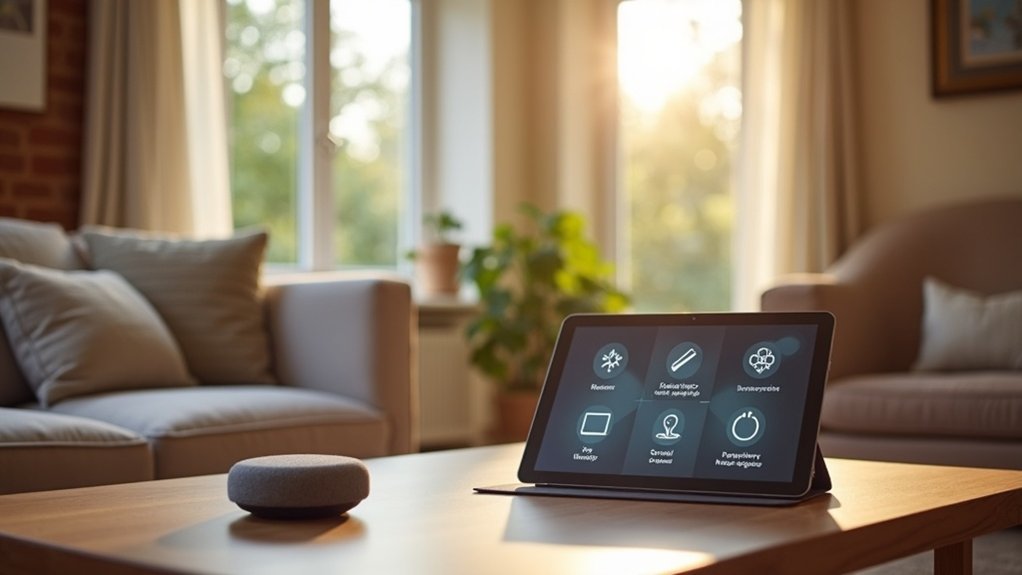
Smart homes and digital devices are transforming senior residential care by enhancing safety, promoting independence, and improving overall well-being.
With smart access control systems, residents can open doors using their smartphones, reducing reliance on traditional keys and enhancing security. Automated lighting and motion sensors respond to their movements, minimizing fall risks and creating safer environments. Wearable fall detection technology guarantees quick emergency responses, essential for peace of mind.
Digital devices also promote independence. Voice-activated assistants let residents control their homes effortlessly, while scheduled reminders for medications help them stay on track without constant caregiver support. Furthermore, the growth of telemedicine enables seniors to access healthcare providers remotely, further enhancing their ability to manage health in the comfort of their homes.
In addition, wearable health trackers monitor critical signs and activity levels, enabling proactive health management.
These innovations empower seniors to remain in familiar settings, fostering a sense of autonomy and connection.
Robotics and Assistive Technologies for Enhanced Living
Robotics and assistive technologies are reshaping senior living by providing innovative solutions that enhance daily life. These advancements, projected to grow from USD 2.93 billion in 2024 to USD 9.85 billion by 2033, focus on improving care for our aging population. With features like mobility assistance, companionship, and health monitoring, these robots considerably reduce caregiver burdens while increasing independence for seniors.
You’ll find that socially assistive robots engage in meaningful conversations, helping combat loneliness and fostering emotional well-being. They also provide essential support in managing chronic diseases through tailored health monitoring. As the eldercare assistive robots market is expected to grow significantly in the coming years, more families and care providers are embracing these technologies, revealing a future where robots play an important role in senior care. Additionally, these innovations align with our commitment to personalized care plans that cater to the unique needs of each resident.
Investment from both the government and private sectors guarantees that these valuable tools will be both affordable and widely available, enhancing the quality of life for seniors everywhere.
Operational Efficiency and Data Security in Senior Care
In today’s senior care landscape, enhancing operational efficiency and safeguarding data security are crucial for delivering quality services. By prioritizing digital solutions, you can modernize back-office operations, streamline financial workflows, and improve compliance tracking. Automating processes allows you to focus more on resident care, while AI-powered scheduling helps address labor shortages and optimize staffing levels. Utilizing centralized data sources and business intelligence tools enables you to make informed decisions that enhance care interventions and operational responsiveness. Investing in data quality guarantees reliability, while strong cybersecurity measures protect your residents’ sensitive information. Furthermore, the integration of personalized care plans allows for tailored solutions that can be supported by technology. Regular staff training and system updates are imperative to combat evolving cyber threats. By benchmarking against peers, you can identify areas for improvement and refine your strategies. Ultimately, embracing these technological advancements empowers you to provide better care while maintaining the security and privacy of those you serve. Additionally, technology’s role in improving operational efficiency is increasingly recognized, with many providers prioritizing its integration into their service delivery.
Trends in Policy, Investment, and Technology Adoption
As the landscape of senior residential care evolves, staying ahead of trends in policy, investment, and technology adoption is crucial for enhancing care quality and operational efficiency.
The 2024 CMS guidelines clarify that while AI can assist with Medicare Advantage coverage determinations, compliance with individualized review rules is still mandatory. In Illinois, proposed limits on AI guarantee that nurses’ clinical judgment isn’t overridden, ensuring that care remains personalized and compassionate.
Government incentives for telehealth support remote care, promoting equitable access for seniors. Additionally, telehealth and remote monitoring solutions are improving access to healthcare, ensuring timely interventions and reducing hospitalizations.
Investments in AI and automation are prioritized to boost efficiency, while smart home technology enhances safety and independence. As illustrated by the emphasis on personalized care at facilities like Miss Bell’s Assisted Living, technology can play a key role in tailoring services to resident needs.
Telemedicine platforms and remote monitoring tools are gaining traction, guaranteeing timely interventions and reducing hospitalizations.
Additionally, the rise of wearable health devices and companion robots addresses seniors’ needs for connection and autonomy.
Frequently Asked Questions
How Do Seniors Adapt to Using New Technologies in Their Daily Lives?
You can help seniors adapt to new technologies by introducing them gradually and providing hands-on support.
Encourage them to explore devices that enhance their independence, like smart home features or health-tracking apps.
Create a comfortable learning environment where they feel safe asking questions.
Connect them with peer groups or family members for shared experiences.
Most importantly, emphasize the benefits these technologies bring to their daily lives, making it easier and more enjoyable.
What Training Resources Are Available for Staff to Learn About These Technologies?
You’ve got plenty of training resources available to help you learn about new technologies.
Consider joining courses from organizations like Senior Planet or Cyber-Seniors for hands-on workshops and group lessons.
Utilize online tutorials and certification programs to boost your skills.
Engage in community programs for in-person support.
Plus, take advantage of digital literacy toolkits and peer networks to enhance your confidence and make sure you’re well-equipped to assist those you serve.
How Can Families Support Seniors in Using Telehealth Services Effectively?
You can support seniors by helping them set up their telehealth environment. Ascertain they’ve a quiet, well-lit space with strong internet connectivity.
Show them how to use their devices, providing step-by-step instructions and encouraging practice. Schedule regular appointments together, and help them prepare questions in advance.
Be involved in tele-visits to clarify instructions and support understanding. Finally, stay patient and offer ongoing assistance to boost their confidence with technology.
What Are Common Misconceptions About Technology in Senior Living?
Common misconceptions about technology in senior living include the belief that seniors can’t adapt, that it’s too complicated, or that it doesn’t improve their quality of life.
In reality, many older adults embrace technology, finding it user-friendly and beneficial. Devices like tablets and smart home systems can enhance independence and connection.
With proper support and training, seniors can thrive using technology, proving these myths wrong and enriching their everyday lives.
How Does Technology Impact the Emotional Well-Being of Residents?
Technology considerably enhances your residents’ emotional well-being by reducing feelings of isolation and loneliness.
With video calls and social platforms, they stay connected with loved ones, boosting their mood. Companion robots and virtual reality experiences offer engaging interactions, creating joy and reducing negative feelings.
Additionally, smart home devices promote safety and independence, helping them feel secure and empowered.