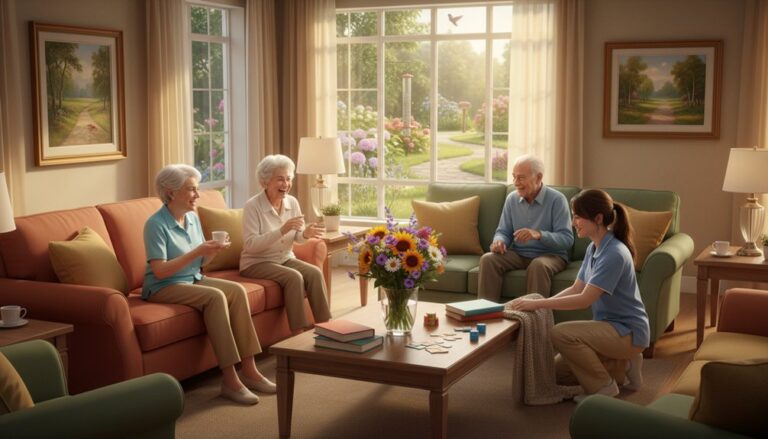
Compassion in Action: How Personalized Senior Care Enhances Quality of Life
Personalized senior care enhances quality of life by addressing each individual’s unique needs and preferences. By fostering meaningful connections, you empower seniors to maintain their independence while improving their emotional and physical well-being. Tailored care plans consider personal routines and tastes, promoting autonomy and joy in daily life. With a focus on companionship and social engagement, you can greatly reduce feelings of loneliness. Keep exploring to discover how personalized care can transform lives even further.
Key Takeaways
- Tailored care plans address individual preferences, enhancing seniors’ dignity and overall quality of life.
- Meaningful connections foster trust and companionship, reducing feelings of loneliness and isolation.
- Regular check-ins and active listening empower seniors, promoting their independence and emotional well-being.
- Social engagement through group activities stimulates mental health and strengthens community ties among residents.
- Integrative care models emphasize collaboration, enhancing physical, emotional, and social support for improved overall wellness.
Understanding Personalized Senior Care
Understanding personalized senior care is essential for ensuring that older adults receive the support they truly need. You’ll recognize that each individual has unique needs, preferences, and backgrounds.
By taking the time to learn about their histories and daily routines, you can create tailored care plans that enhance their well-being. This approach allows you to focus on their physical, emotional, and social needs, making a significant difference in their quality of life.
Engaging with seniors on a personal level not only fosters trust but also empowers them to maintain their independence. As you implement personalized care strategies, you’ll see how meaningful connections can transform their experience, helping them thrive in a supportive environment that truly values their individuality. Additionally, incorporating person-centered care principles can further enhance the effectiveness of these strategies.
The Importance of Individual Preferences
While every senior’s needs may overlap in some areas, recognizing individual preferences is essential for delivering effective care. You’ll find that each person has unique tastes, routines, and values that shape their daily lives.
By actively listening and engaging with seniors, you can uncover what truly matters to them. This understanding allows you to tailor care plans, ensuring they feel respected and valued.
Whether it’s their favorite activities, preferred meal options, or specific communication styles, honoring these choices enhances their overall well-being. When you prioritize individual preferences, you foster a sense of autonomy, helping seniors maintain their dignity and joy.
Ultimately, this personalized approach not only improves their quality of life but also strengthens the bond between caregiver and senior. Moreover, personalized care plans are vital for delivering effective care and adapting to the changing needs of seniors.
Building Trust and Rapport With Seniors
Respecting individual preferences sets the stage for building trust and rapport with seniors. When you take the time to listen actively and engage in meaningful conversations, you show that you genuinely care. Use their names, ask about their interests, and validate their feelings. This simple approach fosters warmth and connection.
Being consistent in your interactions is also key; seniors need to know they can rely on you. Show patience and understanding as they share their stories or concerns.
Small gestures, like a friendly smile or a handwritten note, can make a big difference. Additionally, fostering a supportive environment enhances the overall quality of life for residents, making them feel valued and connected to their community.
Enhancing Physical Health Through Personalized Care
To enhance physical health through personalized care, it’s essential to tailor your approach to each senior’s unique needs and preferences.
Start by evaluating their medical history and current health conditions. This allows you to create a customized care plan that includes appropriate exercise, nutrition, and medication management.
Encouraging regular physical activity, even simple movements, can greatly improve mobility and strength. Additionally, consider their dietary preferences and restrictions to promote better nutrition. High food quality directly affects residents’ health, helping prevent malnutrition and dehydration.
Encouraging gentle physical activity and mindful nutrition enhances seniors’ mobility, strength, and overall well-being.
Regular check-ins can guarantee the plan remains effective and adjustments can be made as needed. By actively engaging with seniors and respecting their choices, you empower them to take charge of their health, fostering a sense of independence and well-being that enhances their overall quality of life.
Addressing Emotional and Mental Well-Being
Understanding that emotional and mental well-being is just as essential as physical health can greatly enhance the quality of life for seniors.
You can make a difference by providing companionship, engaging in meaningful conversations, and encouraging activities that spark joy. Listening actively and validating their feelings fosters trust and connection, which are crucial for emotional support.
Incorporating memory-boosting games or creative outlets can also stimulate their minds and promote a sense of purpose. Recognizing signs of loneliness or depression allows you to intervene compassionately, ensuring seniors feel valued and supported. Additionally, fostering social engagement through group activities helps combat feelings of isolation and strengthens community ties among residents.
The Role of Family in Personalized Care
Family plays an essential role in providing personalized care for seniors, especially when it comes to their emotional and mental well-being. Your presence can make a significant difference in their daily lives, offering companionship and support that fosters connection.
Being involved in their care means understanding their preferences, fears, and joys, which allows you to tailor interactions that resonate with them. Regular visits, phone calls, or even video chats can brighten their day and alleviate feelings of loneliness.
Encouraging open communication helps them express their needs and desires, empowering them to maintain a sense of control. By actively participating in their care, you’re not just enhancing their quality of life—you’re also nurturing a deeper bond that enriches both your lives. Additionally, personalized care plans that adapt to individualized care needs ensure that seniors receive the support necessary for their unique circumstances.
Successful Care Plans: Tailoring to Unique Needs
Creating successful care plans hinges on recognizing and addressing the unique needs of each senior. You’ll want to start by evaluating their medical history, daily routines, and personal preferences.
Engaging in open conversations helps you understand their emotional and social needs, creating a holistic approach to care. By collaborating with healthcare professionals, family members, and the seniors themselves, you can tailor plans that not only enhance physical well-being but also promote emotional health. The commitment to supporting residents every step of the way ensures that their evolving needs are met effectively.
Open conversations and collaboration with healthcare professionals and families are essential for creating holistic care plans that support both emotional and physical well-being.
Flexibility is key; as needs change, so should the care plan. Regular evaluations guarantee that the plan remains relevant and effective.
Ultimately, a personalized care plan fosters independence and dignity, allowing seniors to thrive in an environment that respects their individuality and enhances their quality of life.
Case Studies: Real-Life Impact of Personalized Care
Personalized care plans can make a profound difference in the lives of seniors, and real-life case studies illustrate this impact vividly.
Take Mr. Thompson, for example. After a personalized plan was implemented, focusing on his love for gardening, he regained his enthusiasm for life. With tailored support, he not only tended to his plants but also formed meaningful connections with caregivers who shared his passion.
Similarly, Mrs. Jenkins thrived when her care team incorporated her favorite activities, like painting. This approach not only boosted her mood but also enhanced her cognitive skills. These stories showcase how understanding individual preferences and needs can truly transform senior lives, making every moment more fulfilling and ensuring they feel valued and understood. Additionally, the focus on engaging activities and programs has been shown to contribute significantly to residents’ overall health and happiness.
The Benefits of Companionship and Social Engagement
While many factors contribute to a senior’s well-being, companionship and social engagement stand out as crucial components that foster happiness and health. When you provide seniors with opportunities to connect, you’re not just enhancing their daily lives; you’re nurturing their spirits.
Regular interactions with friends, family, or caregivers help reduce feelings of loneliness and isolation. Engaging in social activities stimulates the mind and encourages emotional well-being. You might consider organizing group outings or even simple conversations over coffee. Additionally, the commitment to personalized care plans at assisted living facilities can significantly enhance the social experience for seniors.
Future Trends in Personalized Senior Care
As you nurture companionship and social engagement among seniors, it’s also important to look ahead at how personalized care is evolving.
Innovations in technology, like telehealth and wearable devices, are making it easier to tailor care to individual needs. You might see more data-driven approaches, allowing caregivers to monitor health and preferences in real-time. Additionally, AI-driven predictive analytics are enhancing resident care by identifying risks for proactive intervention.
Additionally, integrative care models are emerging, combining physical, emotional, and social support. These trends emphasize collaboration among healthcare professionals, families, and seniors themselves.
You’ll likely find that a focus on holistic wellness will enhance not just physical health but also emotional and social well-being.
Frequently Asked Questions
What Qualifications Should Caregivers Have for Personalized Senior Care?
When you’re looking for caregivers for personalized senior care, focus on qualifications that matter most.
They should have relevant certifications, experience in elder care, and strong communication skills. Empathy and patience are essential traits, too, as they’ll be interacting with seniors daily.
It’s also beneficial if they’ve undergone specialized training in areas like dementia care. This way, you guarantee your loved ones receive the compassion and expertise they truly deserve.
How Can Technology Assist in Personalized Senior Care?
Technology can greatly enhance personalized senior care by providing tools that improve communication and monitoring.
You can use wearable devices to track essential signs, ensuring timely interventions. Apps allow you to schedule care and manage medication more efficiently.
Virtual reality can offer immersive experiences that engage seniors mentally and emotionally.
What Is the Cost of Personalized Senior Care Services?
The cost of personalized senior care services can vary widely based on factors like location, level of care needed, and specific services provided.
You might find in-home care options, assisted living, or nursing facilities, each with different price points.
It’s important to assess your loved one’s needs and budget, then explore available resources, including insurance and government assistance.
Investing in quality care can greatly enhance their well-being and overall happiness.
How Can Families Participate in the Care Plan Process?
You can actively participate in the care plan process by communicating openly with caregivers and your loved one.
Attend meetings to discuss needs and preferences, ensuring everyone’s voice is heard.
Share insights about your family member’s daily habits and interests, as this helps tailor care effectively.
Collaborate with healthcare professionals to set achievable goals.
Your involvement not only enhances the plan but also strengthens the bond with your loved one, making them feel valued and supported.
What Resources Are Available for Families Seeking Personalized Care?
If you’re looking for resources to help with personalized care, start by connecting with local senior centers or community organizations.
They often offer support groups and educational workshops. Online platforms provide valuable information, including forums where families share experiences.
Don’t forget to explore government programs that assist with care planning.
Reaching out to healthcare providers can also guide you in finding tailored services that meet your loved one’s unique needs.