Enhancing Mental Well-Being in Assisted Living
Enhancing mental well-being in assisted living involves fostering social connections and engaging residents in activities. Encourage open conversations about feelings to reduce isolation and anxiety. Incorporating physical activities, creative outlets like art and gardening, and nutritious meals can greatly boost mood and cognitive function. Establishing routines and promoting mindfulness practices also play an essential role. You’ll discover more strategies to further enrich residents’ lives and create a supportive community environment.
Key Takeaways
- Foster social interactions through group activities and events to combat loneliness and enhance community ties among residents.
- Encourage regular physical activity and mindfulness practices to reduce anxiety and improve overall emotional well-being.
- Incorporate creative activities like art and music to facilitate self-expression and strengthen bonds among residents.
- Promote balanced nutrition and hydration to support brain health and enhance mood stability.
- Establish strong support systems involving family, friends, and staff to create a sense of belonging and emotional security.
Understanding Mental Health Challenges in Assisted Living

Maneuvering the complexities of mental health in assisted living can be challenging for residents and their families. You might notice that feelings of isolation, anxiety, or depression can arise in this setting, often stemming from significant life changes like loss of independence or the shift from home. Understanding these mental health challenges is imperative for fostering a supportive environment. You can play an important role by recognizing signs of distress and encouraging open conversations about feelings. It’s essential to validate residents’ experiences and promote a sense of belonging. Simple actions, like engaging in daily activities or maintaining routines, can greatly enhance their emotional well-being. Additionally, fostering social engagement through group activities can further support mental health and create a sense of community among residents.
The Role of Social Interaction in Mental Well-Being
While you may not realize it, social interaction plays an essential role in enhancing mental well-being for residents in assisted living. Engaging with others helps combat feelings of loneliness and isolation, fostering a sense of belonging. When you encourage conversations, activities, and shared experiences among residents, you’re not just filling their days; you’re enriching their lives.
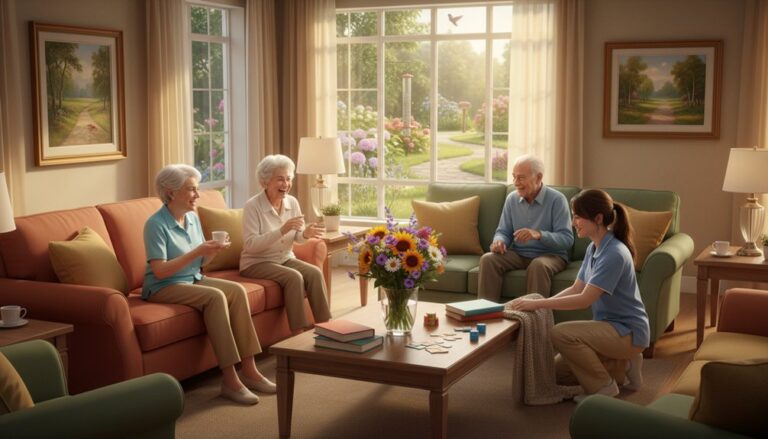
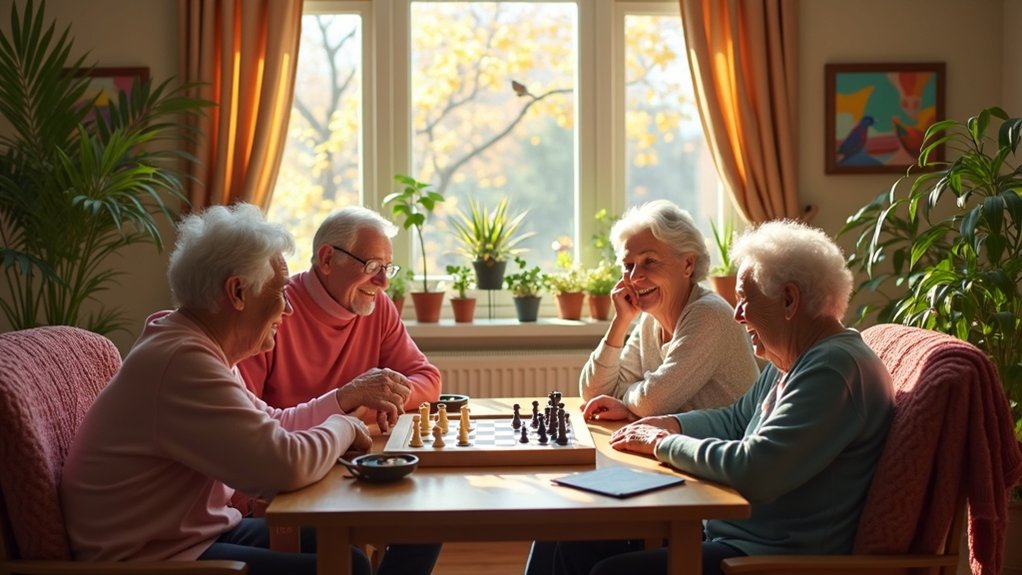
Consider organizing group activities that spark connections—like game nights or art classes. These opportunities allow residents to share stories, laugh, and support each other. Regular social interaction can stimulate cognitive function and improve emotional health, making a significant difference in residents’ overall happiness. Additionally, creating a welcoming and home-like environment fosters comfort and encourages residents to engage more fully with one another.
As you create spaces that promote companionship, remember that every smile and shared moment contributes to a thriving community. By prioritizing social engagement, you’re helping residents find joy in their daily lives, ultimately enhancing their mental well-being and creating a supportive environment for everyone involved.
Importance of Physical Activity for Mental Health

Engaging in physical activity isn’t just about staying fit; it’s a vital component of mental health, especially for residents in assisted living. Regular movement helps reduce anxiety and depression, boosting overall mood and well-being. When you encourage residents to participate in activities like walking, stretching, or even gentle dancing, you’re fostering an environment where they can thrive emotionally.
Physical activity releases endorphins, those feel-good hormones that can lift spirits and enhance cognitive function. It also promotes social connections, as group exercises create opportunities for interaction and friendship. By incorporating physical activities into daily routines, you’re not only improving physical health but also nurturing mental resilience. Additionally, a vibrant social life plays a crucial role in enhancing the benefits of physical activity, as it encourages residents to engage with one another.
When you prioritize physical activity, you’re empowering residents to take charge of their well-being. This approach cultivates a sense of purpose and belonging, ultimately enriching their lives in assisted living. Every small step counts towards happier, healthier residents.
Creative Activities to Foster Engagement
Creative activities can greatly enhance engagement and mental well-being in assisted living environments. By incorporating art, music, and crafts, you can spark joy and connection among residents. Think about organizing painting sessions, where individuals can express themselves freely, or music therapy that encourages singing and dancing. These activities not only foster creativity but also build a sense of community.
You might also consider storytelling or writing workshops. Sharing personal stories can create bonds and help residents feel valued. Gardening is another excellent option, allowing individuals to connect with nature while nurturing plants together. Additionally, these activities contribute to overall health and happiness, promoting a vibrant community atmosphere.
Encouraging participation in these creative outlets can markedly improve mood and reduce feelings of isolation. So, take the initiative to introduce diverse activities that cater to various interests. By doing so, you’ll not only enrich lives but also create an environment where everyone feels inspired and engaged.
Nutrition and Its Impact on Mental Wellness

Nutrition plays an essential role in mental wellness, as what you eat directly affects your mood and cognitive function. When you focus on providing a balanced diet rich in fruits, vegetables, whole grains, and lean proteins, you’re not just nourishing the body but also the mind. These foods contain important nutrients that support brain health, enhancing memory and reducing feelings of anxiety or depression.
You can encourage residents to stay hydrated, as water is essential for maintaining focus and clarity. Consider involving them in meal planning and preparation; it fosters a sense of community and ownership over their nutrition. Additionally, our wellness programs promote physical fitness and mental stimulation, further enhancing overall well-being.
The Significance of Routine and Structure
A well-structured routine can greatly enhance mental well-being for residents in assisted living. When you create a consistent schedule, it fosters a sense of security and predictability, which can reduce anxiety and stress. Residents benefit from knowing what to expect each day, whether it’s mealtime, social activities, or quiet time.
As a caregiver, you can help design routines that encourage engagement and provide opportunities for residents to connect with others. Incorporating meaningful activities, like arts and crafts or group exercises, can spark joy and a sense of purpose.
Moreover, routines support cognitive function by encouraging memory recall and decision-making skills. By promoting a healthy rhythm to daily life, you empower residents to take charge of their day, enhancing their overall satisfaction. Remember, a well-planned structure not only enriches their experience but also builds a vibrant community that values compassionate care and connection.
Incorporating Technology for Connection
While technology can sometimes feel overwhelming, it offers invaluable tools for enhancing connection among residents in assisted living. You can leverage video calls to bridge distances, allowing loved ones to join in on celebrations or everyday chats. Social media platforms can help residents share their experiences, interests, and achievements, fostering a sense of community and belonging.
Encouraging the use of tablets for games and interactive activities creates opportunities for fun and engagement. Many residents enjoy online classes, which can stimulate their minds and introduce them to new hobbies. Additionally, using apps designed for easy communication keeps everyone connected, whether it’s sending quick messages or sharing photos. By incorporating these technologies thoughtfully, you empower residents to strengthen their relationships and combat feelings of isolation. Ultimately, you help create a vibrant, connected environment that enhances their overall mental well-being. Furthermore, engaging social programs can complement technology by providing additional avenues for interaction and community building.
Support Systems: Family, Friends, and Staff
Support systems play an essential role in enhancing the mental well-being of residents in assisted living, as they rely on the presence and support of family, friends, and dedicated staff. You can foster these connections by encouraging regular visits and communication. Family members can provide emotional support, while friends often bring joy and familiarity, reminding residents of cherished memories.
Staff can also make a notable difference by building trusting relationships and actively engaging with residents. When staff members take the time to listen and understand individual needs, they create a sense of safety and belonging. The commitment to compassionate care is fundamental in ensuring residents feel understood and valued.
Encouraging group activities fosters friendships among residents, strengthening community ties. You might consider organizing outings or social events that involve both family and friends, creating a warm, inclusive atmosphere. Ultimately, by nurturing these support systems, you help residents feel valued and connected, considerably improving their mental well-being in assisted living.
Strategies for Mindfulness and Stress Reduction
Building strong support systems can greatly enhance mental well-being, but incorporating mindfulness and stress reduction techniques is equally important for residents in assisted living. You can start by encouraging daily mindfulness practices, such as guided meditation or deep breathing exercises, to help calm the mind. Simple activities like taking a few minutes to focus on your breath can markedly reduce stress.
Consider introducing nature walks, where residents can engage with their surroundings and appreciate the beauty around them. Group activities, like yoga or tai chi, not only promote physical health but also foster a sense of community. Assisted living communities often provide opportunities for social engagement, which can further enhance overall well-being.
Journaling is another great tool; it allows residents to express their thoughts and feelings, promoting emotional clarity. Finally, remind everyone to practice gratitude by reflecting on positive experiences each day. These strategies can cultivate a peaceful environment, enhancing overall mental well-being in assisted living settings.
Frequently Asked Questions
What Signs Indicate Someone May Need Mental Health Support in Assisted Living?
You might notice someone needing mental health support if they show signs like increased withdrawal, changes in appetite or sleep patterns, or sudden mood swings. If they stop engaging in activities they once enjoyed or express feelings of hopelessness, these could be red flags. Additionally, difficulty concentrating or increased irritability might indicate underlying issues. It’s important to approach these signs with compassion and understanding, encouraging them to seek the support they deserve.
How Can Family Members Support Mental Well-Being in Assisted Living Residents?
You can support mental well-being in assisted living residents by regularly visiting and engaging in meaningful conversations. Encourage them to share their feelings and experiences, and actively listen without judgment. Help them participate in social activities or hobbies they enjoy, fostering connections with others. Regularly check in with staff to monitor their emotional health and advocate for any needed support. Your presence and understanding can make a significant difference in their overall happiness.
Are There Specific Therapies Recommended for Residents With Mental Health Issues?
Yes, there are several therapies recommended for residents with mental health issues. Cognitive Behavioral Therapy (CBT) can help them manage negative thoughts, while art and music therapy often encourage self-expression and emotional healing. Group therapy fosters social connections, and mindfulness practices can reduce anxiety. It’s important for you to collaborate with healthcare professionals to tailor these therapies to each resident’s needs, ensuring they receive the most effective support for their mental well-being.
How Does Environment Affect Mental Health in Assisted Living Facilities?
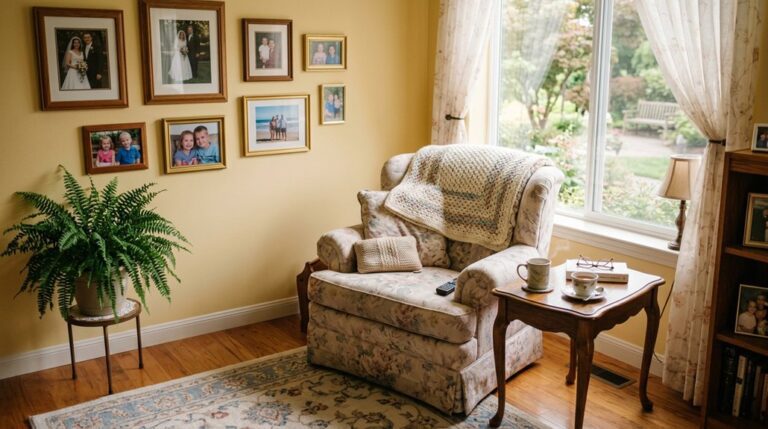
The environment plays an essential role in shaping your mental health. When you’re in a space that’s bright, clean, and welcoming, it can boost your mood and reduce feelings of anxiety or depression. Nature elements, like plants or outdoor views, can enhance your sense of peace. Additionally, social spaces encourage interaction and connection, which are important for emotional well-being. Creating a supportive environment helps you feel valued and engaged in daily life.
What Resources Are Available for Mental Health Education in Assisted Living?
You can access various resources for mental health education in assisted living. Look for workshops, training programs, and online courses specifically designed for caregivers. Local mental health organizations often offer seminars or materials that can enhance your understanding. Additionally, connecting with mental health professionals for guidance or utilizing community resources like libraries can provide valuable insights. Don’t forget to leverage peer support groups, where sharing experiences can foster a deeper understanding of mental health needs.