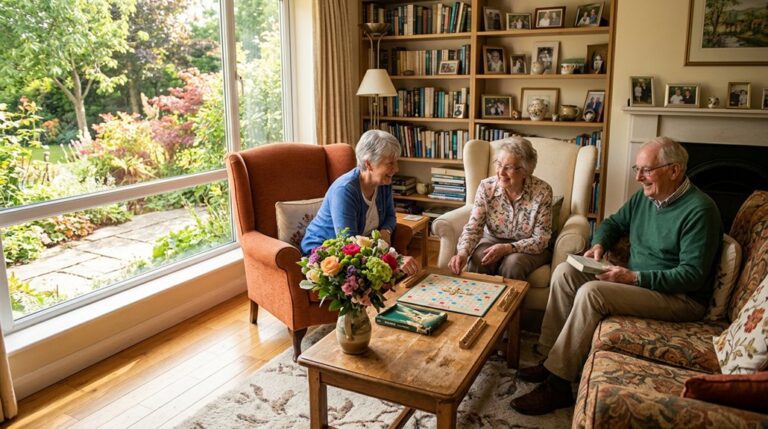
Bridging Generations: Family Involvement in Modern Senior Care Homes
Involving family in modern senior care homes bridges generational gaps and greatly improves residents’ quality of life. Regular visits reduce loneliness while shared activities foster meaningful connections. Families not only advocate for personalized care but also enhance emotional well-being through close relationships with staff. Innovative programs like collaborative art and gardening projects promote family engagement. By connecting with seniors, families contribute to a thriving community atmosphere. Discover how these efforts transform the senior care experience even further.
Key Takeaways
- Family involvement enhances seniors’ emotional well-being and reduces feelings of loneliness through regular visits and meaningful interactions.
- Collaborative programs, such as gardening and art projects, foster connections between families and seniors, bridging generational gaps.
- Engaging families in care discussions and decisions ensures personalized care plans that reflect the seniors’ preferences and needs.
- Intergenerational activities promote understanding and respect, enriching the experiences of both seniors and younger generations within the community.
- Open communication between families and staff cultivates trust and transparency, leading to improved care quality and resident satisfaction.
The Importance of Family Involvement in Senior Care
When you think about senior care, it’s clear that family involvement plays an essential role in enhancing the quality of life for residents. Engaging with your loved ones not only fosters meaningful relationships but also helps them feel valued and understood.
Regular visits and communication can greatly reduce feelings of loneliness and isolation, creating a supportive environment where seniors thrive. You can share stories, participate in activities, and advocate for their needs, ensuring they receive personalized care. Additionally, shared meals in the dining room promote conversation and community, allowing family members to join in the social aspects of life in assisted living.
Your presence offers emotional comfort, making it easier for them to adapt to their new surroundings. By actively participating in their lives, you’re not just a visitor; you’re a crucial part of their well-being, enriching their experience and encouraging a sense of belonging.
Benefits of Intergenerational Connections
Intergenerational connections enrich the lives of both seniors and younger generations, fostering mutual understanding and respect. By engaging with one another, you create a vibrant community where wisdom and energy blend seamlessly.
Seniors share their life experiences, offering valuable lessons and perspectives that can shape younger minds, while youth contribute fresh ideas and enthusiasm that invigorate the atmosphere.
Seniors impart invaluable lessons from their life journeys, while youth infuse the community with fresh ideas and vibrant energy.
These interactions can reduce feelings of loneliness and isolation among seniors, improving their mental well-being. For younger generations, these connections cultivate empathy and compassion, essential qualities for nurturing future relationships.
When you bridge the generation gap, you foster a supportive environment where both groups learn, grow, and thrive together, ultimately enhancing the quality of life for everyone involved in the care community. Regular social interaction helps combat feelings of loneliness and isolation, fostering a sense of belonging.
Innovative Programs for Family Engagement
Engaging families in the care of seniors not only strengthens those intergenerational connections but also enhances the overall experience within senior care homes.
Innovative programs designed for family engagement can transform the way families interact with residents. Consider creating collaborative art projects, where families and seniors can express their creativity together. Organizing shared gardening days fosters teamwork and nurtures a sense of community.
Additionally, technology-based initiatives like virtual family meetings can bridge distances, allowing loved ones to participate in care discussions. Regular workshops for families can provide education on dementia care or healthy aging, empowering them to support their loved ones effectively. These programs can also facilitate shared decision-making between families and care teams, ensuring that the care plan aligns with the residents’ preferences.
These programs not only enrich the lives of seniors but also reinforce the bonds that families cherish.
Encouraging Family Visits and Participation
Although it can be challenging for families to find time to visit, encouraging regular participation in senior care homes is essential for the emotional well-being of residents.
You can create meaningful connections by scheduling visits that fit everyone’s routine. Consider organizing family days or special events that invite loved ones to engage with the community. Bring along favorite activities, like games or crafts, to make the visits enjoyable and memorable.
It’s also helpful to communicate with staff about the best times to visit, ensuring your loved one receives the attention they deserve. Your presence not only brightens their day but also reinforces a sense of belonging, reminding residents that they’re valued and loved. Additionally, participating in events at the facility can foster a sense of community and connection among residents and their families.
Every visit counts!
Technology’s Role in Enhancing Family Interaction
How can technology bridge the gap between families and their loved ones in senior care homes?
It offers innovative ways to enhance communication and connection. Video calls allow families to share moments in real-time, whether it’s a simple hello or a special celebration.
Technology enhances communication, allowing families to share real-time moments, from simple hellos to special celebrations.
Messaging apps enable quick updates and shared photos, helping loved ones feel included in daily life.
Virtual games and activities can be enjoyed together, sparking joy and creating lasting memories.
Social media groups can foster support among families, sharing tips and experiences. Additionally, AI-driven predictive analytics can help families stay informed about their loved one’s health and well-being, ensuring they are engaged and proactive in their care.
Creating a Supportive Community for Families
Technology not only enhances communication but also plays an essential role in building a supportive community for families with loved ones in senior care homes.
By utilizing online platforms and social media, you can connect with other families facing similar challenges, share experiences, and offer encouragement. Regular family support groups foster relationships and provide a safe space to discuss concerns and solutions.
You might also consider organizing community events that bring families together, allowing them to engage with staff and residents, creating a sense of belonging. It’s important to remember that assisted living empowers seniors to live safely while fostering an environment where families can actively participate in their loved ones’ care.
Remember, your involvement can strengthen bonds not only with your loved one but also with other families, ultimately enriching the overall atmosphere of the care home.
Together, you can create a nurturing environment that benefits everyone involved.
The Impact of Family Involvement on Resident Well-Being
When families actively engage in the lives of their loved ones in senior care homes, they greatly enhance the residents’ overall well-being. Your involvement fosters emotional connections, reducing feelings of loneliness and isolation.
Regular visits and shared activities not only uplift spirits but also encourage residents to participate in daily routines, promoting physical and mental health. By sharing stories and experiences, you help maintain a sense of identity and belonging, which is essential for overall happiness.
Your presence can also help staff understand the needs and preferences of residents better, leading to more personalized care. Ultimately, when you take an active role, you not only enrich your loved one’s life but also contribute to a vibrant, supportive community in the care home. Furthermore, your participation aligns with the focus on family involvement and support to create a collaborative care environment that benefits all.
Strategies for Effective Communication Between Families and Care Staff
Effective communication between families and care staff is essential for ensuring that residents receive the best possible care. To foster this connection, establish regular check-ins, whether through phone calls, emails, or in-person meetings.
Encourage families to share their loved one’s preferences and concerns; this helps create a tailored care plan. Use clear, compassionate language when discussing residents’ needs, and be open to feedback.
Providing families with updates on their loved ones’ well-being can build trust and strengthen relationships. Additionally, consider setting up family support groups where both families and staff can share experiences and ideas. This approach aligns with our care and support philosophy, which emphasizes personalized care and building lasting relationships between staff and residents.
Overcoming Barriers to Family Participation
Despite strong communication practices, families often face barriers that hinder their participation in senior care homes. Time constraints, geographical distance, and emotional challenges can make it tough for you to engage fully.
It’s important to address these obstacles head-on. Consider scheduling regular visits that fit your lifestyle, or utilize technology to connect virtually when in-person interactions aren’t possible. Encourage care homes to create flexible visiting hours and family involvement events, ensuring you feel welcomed and valued. Additionally, well-trained staff can provide compassionate care tailored to your loved one’s needs, making it easier for families to engage meaningfully.
Furthermore, don’t hesitate to share your concerns with staff; they’re often keen to foster a supportive environment. By acknowledging these barriers and working collaboratively, you can enhance the quality of care and connection for your loved ones, ultimately enriching their experience in senior care.
Success Stories: Families Making a Difference in Senior Care Homes
While many families face challenges in engaging with senior care homes, numerous success stories highlight how their involvement can lead to meaningful change.
Take, for instance, the Johnson family, who organized weekly game nights. This simple initiative not only lifted spirits among residents but also fostered stronger bonds between families and staff.
Similarly, the Garcia family launched a gardening project, bringing fresh flowers and vegetables to the home. Their dedication inspired other families, creating a vibrant community atmosphere. Additionally, families can explore community support services that enhance the overall experience for residents.
Frequently Asked Questions
What Are the Costs Associated With Family Involvement in Senior Care Homes?
When considering family involvement in senior care homes, you might encounter various costs. These can include transportation expenses for visits, time off work for family members, and potential fees for activities or services that enhance engagement.
Additionally, emotional costs may arise from the stress of balancing care responsibilities. However, investing in these relationships can lead to improved well-being for everyone, making it a worthwhile consideration for fostering connections with loved ones.
How Can Families Advocate for Their Loved Ones in Care Facilities?
To advocate for your loved ones in care facilities, stay involved and communicate regularly with staff.
Attend care meetings and voice any concerns directly, ensuring you have their attention. Keep records of interactions and care plans, and don’t hesitate to ask questions or request changes.
Building relationships with caregivers fosters trust, making it easier to address issues.
What Resources Are Available for Families of Residents in Senior Care Homes?
You’ve got several resources to support your loved ones in senior care homes. Start with local advocacy groups, which offer guidance and support.
Websites like the National Center for Assisted Living provide valuable information on residents’ rights.
Don’t forget about family support groups—connecting with others can help you navigate challenges.
Additionally, many facilities hold regular meetings to keep families informed.
Use these tools to guarantee your loved one receives the best care possible.
Are There Any Legal Rights Families Should Be Aware of in Senior Care?
Yes, there are legal rights families should know about when it comes to senior care.
You have the right to access your loved one’s medical records, participate in care planning, and receive information about their treatment.
It’s important to understand residents’ rights under federal and state laws, which protect against neglect and abuse.
Familiarizing yourself with these rights helps you advocate effectively for your family member’s well-being and dignity.
How Can Families Address Concerns About the Quality of Care Their Loved Ones Receive?
If you’re worried about the quality of care your loved one is receiving, start by communicating openly with the staff.
Ask questions and express your concerns directly. You can also request to meet with the management to discuss specific issues.
Regular visits can help you monitor the situation closely. Additionally, consider involving other family members to support your concerns and, if necessary, seek advice from advocacy organizations that focus on senior care.