Spring Clean, Safer Home: Simple Apartment Organization Tips That Support Independence in Assisted Living
Spring cleaning your apartment is key to fostering independence in assisted living. Start by evaluating your space, ensuring pathways are clear for easy movement. Declutter regularly, focusing on one area at a time, and utilize vertical storage solutions. Create functional zones for cooking, relaxing, and hobbies, keeping essentials within easy reach. Seasonal swaps add freshness, while involving residents in decisions enhances ownership. Follow these tips and discover more ways to create a safer, organized living environment.
Key Takeaways
- Measure rooms to ensure furniture is appropriately arranged for easy movement and accessibility.
- Declutter by sorting items into keep, donate, and discard categories, promoting a welcoming environment.
- Designate functional zones for cooking, relaxing, and hobbies to enhance safety and independence.
- Involve residents in organizing and seasonal decor choices to foster a sense of ownership and community.
- Maintain organization through regular tidying and reassessment of designated spots for items.
Assessing Your Space: Understanding Needs and Limitations
When you begin organizing your apartment for assisted living, it’s essential to assess your space and understand both your needs and limitations.
Start by measuring your rooms to guarantee furniture fits comfortably and allows for easy movement. Identify areas that require accessibility, like wider pathways for mobility aids.
Consider your daily routines and which items you use most frequently; these should be easily accessible. Think about your safety too—confirm that essential items are within reach to prevent accidents. Additionally, incorporating person-centered care principles can enhance your living environment by ensuring it reflects your preferences and values.
Decluttering: The First Step to a Fresh Start
After evaluating your space and understanding your needs, it’s time to tackle the clutter.
Begin by focusing on one area at a time, whether it’s a room, closet, or drawer. Sort items into three categories: keep, donate, and discard.
Remember, you’re not just organizing for yourself; you’re creating a welcoming environment for visitors and caregivers. As you sift through belongings, consider their value and function. If something hasn’t been used in months, it may be time to let it go.
Organizing is not just for you; it’s about fostering a warm, inviting space for everyone who enters.
Donating gently-used items can offer joy to others while freeing up your space. By decluttering, you’re not only enhancing your home’s safety but also promoting a sense of peace and independence in assisted living. Engaging in this process can also foster social interaction as you share stories behind certain items with friends and family.
Smart Storage Solutions: Maximizing Vertical Space
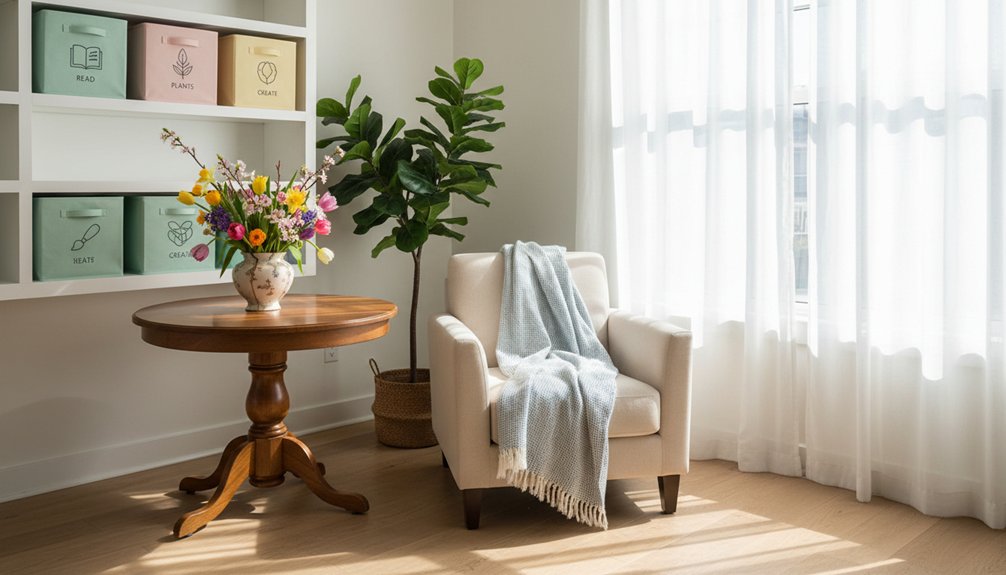
To make the most of your apartment in assisted living, consider utilizing vertical space effectively. Wall shelves are a fantastic option; they draw the eye upward and free up floor space.
You can also use tall bookcases or cabinets to store items you don’t need every day. Hooks and pegboards can help you organize tools, bags, or even kitchen utensils while keeping essentials within reach.
Remember to install items at a comfortable height, ensuring you can access everything without straining. Creating an organized space not only promotes overall health but also enhances your independence and well-being.
Organizing Essentials: Creating Functional Zones
Creating functional zones in your assisted living apartment can greatly improve your daily routine.
Start by designating specific areas for activities like cooking, relaxing, and socializing. For example, keep your kitchen essentials near the cooking area, making meal prep easier and safer.
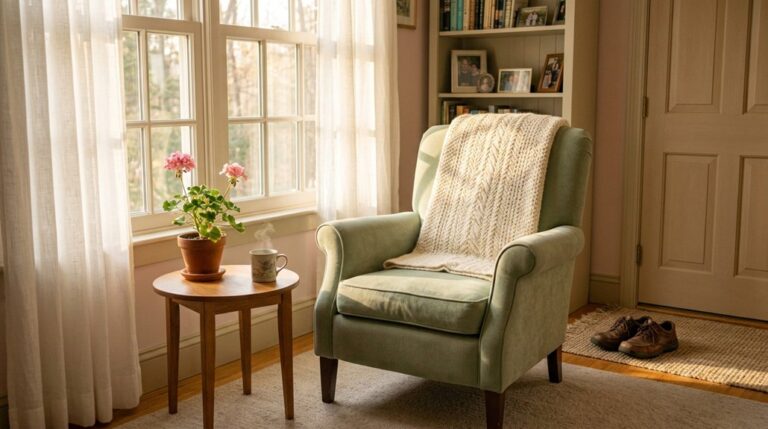
Position your favorite chair and a small table in a cozy corner to create a serene reading nook. If you enjoy crafting or hobbies, set up a dedicated space to minimize distractions and maximize enjoyment.
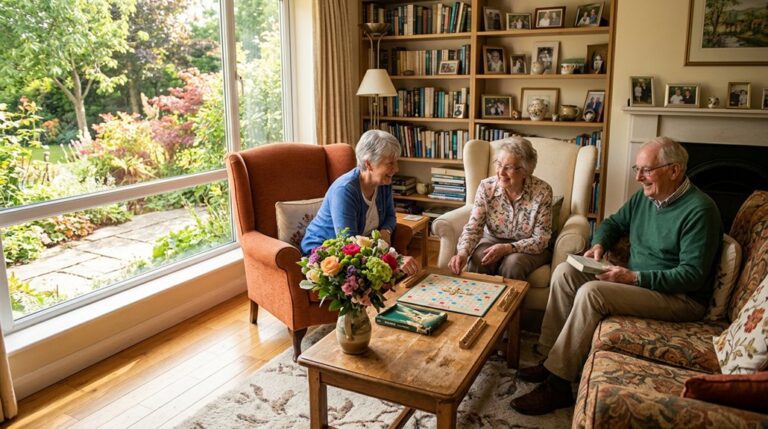
By organizing these zones, you not only enhance your independence but also create a welcoming environment for friends and family. This thoughtful arrangement encourages interaction and support, ensuring your home remains a place of comfort and community, while also respecting your individualized care plans that adapt to your changing needs.
Utilizing Labels: Enhancing Accessibility and Recognition
Labels can be a game-changer in enhancing accessibility and recognition within your assisted living apartment. By clearly labeling items like pantry shelves, drawers, or important documents, you make it easier for yourself and caregivers to find what they need quickly. This simple step promotes independence and reduces frustration.
Choose large, clear fonts and use contrasting colors for visibility. You might also consider using symbols or pictures alongside words, especially if reading is a challenge.
Remember to involve family or friends in the labeling process; they can provide valuable input and help guarantee everything is organized in a way that best suits your needs. Additionally, incorporating personalized care ensures that the labeling system aligns with your specific preferences and needs.
With effective labeling, you create an environment that welcomes both you and those who assist you.
Safety First: Arranging Furniture for Easy Navigation
An organized space not only enhances accessibility but also plays an essential role in safety. When arranging furniture, keep pathways clear and wide enough for easy navigation, especially for those using walkers or wheelchairs.
Position furniture to create natural flow and avoid sharp corners that can pose hazards. Make certain that commonly used areas, like the living room and kitchen, have sufficient space for movement. You might also want to avoid clustering furniture too closely, as it can lead to tripping.
Consider using rugs with non-slip backs to minimize slips and falls. By thoughtfully arranging furniture, you’re not just creating a welcoming environment; you’re also fostering independence and peace of mind for those you serve. Additionally, involving families in medication management can further enhance safety and well-being for residents.
Easy Reach: Strategically Placing Frequently Used Items
When you strategically place frequently used items, you enhance daily living and reduce frustration. Consider where you use items most often and guarantee they’re within easy reach.
For instance, keep essential kitchen tools like utensils, pots, and pans close to the stove, and store daily medications near your living space. In the bathroom, arrange toiletries within arm’s reach of the sink.
This thoughtful organization not only promotes independence but also fosters a sense of comfort and safety. By involving residents in the placement process, you empower them to express their preferences, creating a more personalized living space. Additionally, this approach aligns with the emphasis on personalized care plans that cater to individual resident needs.
Seasonal Swaps: Refreshing Decor and Functional Items
To keep your living space feeling fresh and inviting, consider seasonal swaps that not only update decor but also enhance functionality.
Start by changing out throw pillows or blankets to reflect the current season; soft pastels in spring and warm tones in fall can create a cozy atmosphere.
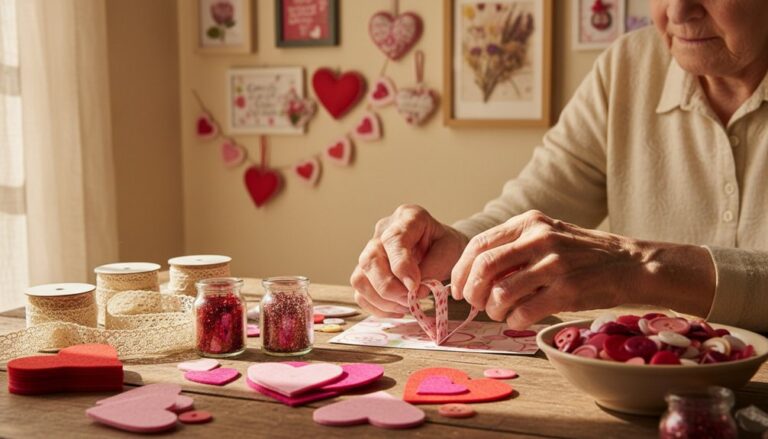
Next, rotate artwork or seasonal decorations, engaging your creativity while making your space feel new.
Don’t forget functional items, too—replace heavy winter curtains with lighter fabrics to let in more natural light.
You might also consider adding seasonal plants for a touch of life and color.
These simple swaps can invigorate your home, making it a more cheerful and supportive environment for you and your guests. Additionally, utilizing community support services can further enhance your living experience by connecting you to local resources and activities.
Involving Residents: Empowering Independence Through Participation
Seasonal swaps not only refresh your living space but also create opportunities for involvement and connection among residents. By inviting everyone to participate in choosing new decor or organizing shared spaces, you foster a sense of ownership and independence.
Consider forming committees where residents can voice their preferences, plan activities, or even lead discussions on seasonal themes. This collaborative approach empowers individuals and strengthens community bonds.
Encouraging residents to share their skills—like crafting or gardening—can spark creativity and enthusiasm. When everyone contributes, you not only enhance the environment but also promote a sense of belonging. Moreover, this aligns with our commitment to supporting residents every step of the way, ensuring they feel valued and engaged in their living environment.
Ultimately, these participatory activities enrich daily life, making your assisted living community a vibrant and inclusive place to thrive together.
Maintenance Tips: Keeping the Organization Sustainable
While maintaining an organized living space can seem challenging, implementing simple routines makes it manageable and sustainable.
Start by dedicating just 10 minutes each day to tidy up. Encourage residents to involve themselves in this daily practice, as it fosters a sense of ownership.
Create designated spots for items to guarantee everything has its place, making it easier to maintain order. Regularly revisit and reassess these spots, adapting them as needs change.
Establish a monthly deep-cleaning schedule where everyone can participate, reinforcing community bonds. Additionally, ensuring a homely atmosphere can further motivate residents to keep their spaces organized.
Finally, celebrate small successes together, recognizing the effort each person contributes.
Frequently Asked Questions
How Can I Involve Family in the Organizing Process?
You can involve your family in the organizing process by scheduling a day together to tackle specific areas.
Share your goals and ask for their input on what’s important to keep or discard.
Make it a fun activity by playing music or providing snacks.
Encourage them to take charge of their own items, and celebrate your progress together.
This way, you’ll strengthen your bond while creating a more organized and comfortable space.
What Are the Best Materials for Labeling Items?
For labeling items, you can’t go wrong with clear, adhesive labels or a label maker.
Vinyl labels are durable and waterproof, while chalkboard labels let you easily change names as needed. If you prefer a personal touch, consider using colored tape and a permanent marker.
For frequently used items, bright colors can help grab attention. Remember, whatever you choose should be easy to read and simple to apply, making organization a breeze!
How Often Should I Reassess My Organization System?
You should reassess your organization system every few months or whenever you notice it’s not working as well as it should.
Life changes, and so do your needs. Regular check-ins help you identify what’s effective and what’s not.
If you find yourself struggling to locate items or if your space feels cluttered, it’s time to tweak your system.
Staying proactive guarantees your organization remains efficient and supports your daily activities seamlessly.
Are There Specific Tools to Assist With Mobility During Organization?
Yes, there are several tools that can assist you with mobility during organization.
Consider using a rolling cart to transport items easily, grab bars for stability, or a reacher tool to avoid bending.
A sturdy step stool can help you access higher shelves safely.
Additionally, non-slip mats can provide better footing.
These tools not only enhance your organization efforts but also guarantee your safety and independence as you move about your space.
What Are Common Mistakes to Avoid When Organizing a Small Space?
When organizing a small space, avoid common mistakes like overcrowding shelves, neglecting vertical space, and ignoring flow.
Don’t keep items you rarely use; it clutters your area. Instead, prioritize essentials and create designated spots for everything.
Avoid using overly large furniture that limits movement.
Finally, don’t underestimate the power of labeling—it’s a simple way to maintain organization.