How Assisted Living Helps Seniors Feel Comfortable, Cared For, and Respected
In assisted living, the emphasis is on fostering an environment where seniors feel at home, cared for, and respected. Attention to detail is evident in various aspects, such as the use of warm colors on the walls and the development of personalized care plans. These elements contribute to a sense of autonomy, allowing residents to maintain their dignity and independence.
Social activities are also an essential component of life in a senior living community, as they help residents build connections and friendships. When exploring assisted living options, consider the following factors that may enhance the overall experience:
- Personalized Care Plans: Understand how care plans are tailored to meet individual needs and preferences.
- Community Atmosphere: Look for communities that promote a sense of belonging and encourage social interaction.
- Activities and Engagement: Inquire about the variety and frequency of activities offered to residents, as these can greatly impact their quality of life.
- Staffing and Support: Research the qualifications and availability of staff members who provide care and support to residents.
- Amenities and Services: Compare the amenities available, such as dining options, transportation, and recreational facilities, as these can vary significantly between communities.
By considering these factors, you can make a more informed decision about which assisted living community may be the right fit for you or your loved one.
Key Takeaways
Assisted living communities often use warm colors and personalized décor to create a welcoming and homelike atmosphere, which can enhance comfort for older adults. This thoughtful design choice helps residents feel more at ease in their living environment.
Care in these communities typically revolves around comprehensive, person-centered care plans. These plans are developed with input from both residents and their families, ensuring that individual needs and preferences are taken into consideration. This approach helps to tailor care to each resident’s unique situation.
Maintaining dignity and autonomy is also a central focus in assisted living. Seniors are encouraged to dictate their daily routines and enjoy privacy in personal matters, which can greatly contribute to their sense of respect and independence.
Social engagement is another important aspect of life in assisted living. Residents may have opportunities to participate in group activities and communal meals, fostering connections and a sense of belonging within the community. This social integration can help combat feelings of isolation and promote overall well-being.
Additionally, staff training is crucial in these settings. Continuous training in effective communication and personalized care practices can help ensure that residents feel valued, respected, and well-cared for. It is essential for families to inquire about the community’s staff training programs, as this can vary by provider and significantly impact the quality of care.
When researching senior living options, consider the following factors:
- Environment: Look for communities that create a homelike atmosphere with personalized décor and warm colors.
- Care Plans: Inquire about how care plans are developed and how resident input is incorporated.
- Autonomy: Ask how the community supports residents’ dignity and independence in their daily lives.
- Social Activities: Explore the types of social engagement opportunities available to residents.
- Staff Training: Investigate the training programs for staff to ensure they are equipped to provide respectful and personalized care.
By considering these elements, families can make more informed decisions about the right care setting for their loved ones.
Creating a Homelike Environment for Residents
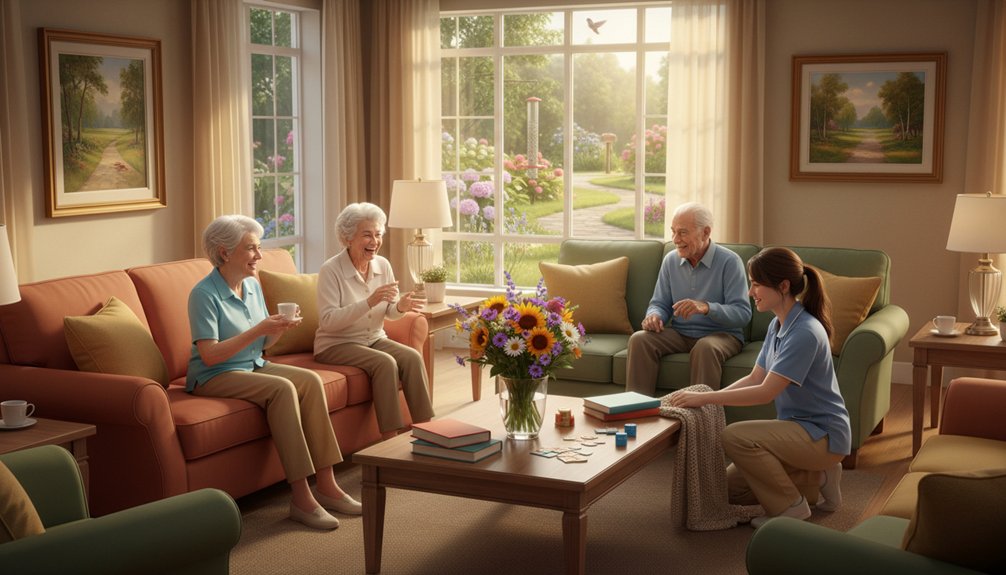
Creating a homelike environment in senior living communities is important for fostering comfort and familiarity among residents. When researching care options for yourself or a loved one, consider the following elements that contribute to a welcoming atmosphere:
- Warm Colors and Soft Furnishings: Look for communities that utilize warm color palettes and comfortable furnishings, as these can create inviting and cozy spaces.
- Common Area Design: Communities that organize common areas such as living rooms and dining rooms, rather than institutional-style lounges, often encourage social interaction among residents. This can help create a sense of home and facilitate social interaction, which is vital for mental health.
- Personal Touches: Inquire about how the community incorporates personal elements, such as photographs or floral patterns, to enhance the environment and make it feel more personalized.
- Natural Light and Green Spaces: Access to natural light and views of gardens or green spaces can uplift residents’ moods. It’s beneficial to choose a community that prioritizes these elements.
- Security and Engagement: A home-like environment often contributes to residents feeling secure, respected, and engaged in their daily lives. This sense of belonging can greatly enrich their experience within the community.
When evaluating senior living options, it’s essential to observe how well these factors are integrated into the environment.
Each community’s approach to creating a homelike atmosphere can vary, so asking questions and visiting potential options can provide valuable insights into the overall comfort and well-being of residents.
Personalized Care and Support Tailored to Individual Needs
Creating a comfortable and homelike environment is just the beginning of quality senior living; personalized care and support are crucial to effectively addressing the needs of residents. Understanding that each individual has unique requirements is essential. By conducting comprehensive assessments, care teams can identify specific needs related to daily activities, health, and emotional well-being. This ensures that residents receive appropriate assistance at the right time, preventing unnecessary interventions that may cause stress. Involving residents, families, and staff in these assessments helps create a holistic view of each individual’s needs.
A person-centered approach means that care plans are tailored to reflect the individual’s goals and preferences, enhancing their effectiveness. Regular monitoring and reassessment of these plans are important, as they allow for timely adjustments that accommodate changing circumstances in residents’ lives.
Day-to-day support can vary widely and may include services such as:
- Medication management
- Assistance with mobility
- Help with personal care tasks
These services are designed to align with what matters most to residents, promoting their independence and comfort. Effective collaboration and open communication among care teams are essential to ensure that every resident receives appropriate care in a timely manner.
When researching senior living options, consider asking questions about how personalized care is developed and adjusted, what specific services are offered, and how the community fosters communication among caregivers. This information can help you and your loved ones make informed decisions about the right care setting.
Promoting Dignity, Autonomy, and Respect
While exploring assisted living communities, it’s important to understand that your dignity, autonomy, and respect should be fundamental aspects of your care. Resident rights statutes typically ensure that you receive respectful treatment, have the freedom to make choices about your daily activities, and enjoy tailored care to meet your individual needs.
When considering a senior living community, keep in mind the following key points:
- Choice and Independence: Residents often have the right to determine their daily schedules, activities, and even living arrangements. This flexibility can enhance your sense of independence and control over your life. Personalized care plans can further empower residents to make choices that reflect their individual preferences.
- Privacy: It’s vital that your privacy is respected. This includes maintaining personal space and confidentiality regarding your personal information and care.
- Individualized Care: Staff members are generally trained to recognize and appreciate the unique identities of residents. This training helps ensure that care is considerate and tailored to each individual, reflecting the individuality, privacy, dignity, and independence that residents deserve.
- Environment: A supportive community environment can significantly impact your quality of life. Look for communities that emphasize dignity and respect in their care practices. Engaging personally with residents fosters trust and enhances their overall well-being.
As you research different senior living options, consider asking potential communities about their policies and practices related to these aspects. Understanding how a community addresses dignity, autonomy, and respect can help you make an informed decision for yourself or your loved one.
Encouraging Social Engagement and Emotional Well-Being
Engaging with others is a vital aspect of enhancing emotional well-being and overall quality of life for residents in senior living communities. Participating in regularly scheduled social activities, such as games and fitness classes, can help alleviate feelings of loneliness and reduce depressive symptoms by fostering meaningful connections among older adults. When residents take part in group-based activities, they not only have the opportunity to improve their physical health but also to enhance cognitive function and boost overall happiness. Shared meals and interactions with friendly staff and fellow residents play a significant role in cultivating a sense of belonging within the community. Additionally, social connectedness is a modifiable risk factor for adverse health outcomes, highlighting the importance of engagement in these settings. Creating a cozy atmosphere with comfortable seating encourages relaxation and genuine interactions among residents. Building social networks is crucial, as having more connections can lead to improved emotional health. Communities that encourage resident engagement create an environment where individuals feel valued, which in turn can reduce feelings of isolation and promote a strong sense of community. When researching care options, consider asking about the social activities offered, the frequency of events, and how the community fosters interactions among residents. Understanding these elements can help you assess how well a community supports emotional well-being through social engagement.
Ensuring High Satisfaction Through Quality Services
Ensuring high satisfaction in senior living communities relies on the ability to offer quality services that meet the needs and preferences of residents. To gain insights into resident satisfaction, many communities use validated measurement tools to identify areas that may need improvement.
Key considerations that often influence satisfaction levels include:
- Safety: A secure environment is crucial for residents’ peace of mind.
- Staff Responsiveness: Quick and attentive responses from staff can significantly enhance the living experience.
- Personal Attention: Tailored interactions that recognize individual preferences help residents feel valued. Personalized support fosters a sense of dignity and respect in senior care, enhancing emotional well-being.
Communities that focus on these areas often see high satisfaction rates, with many residents and their families reporting positive experiences. Reliability of the Index provides a standard for evaluating resident satisfaction, ensuring that communities understand their strengths and weaknesses.
To foster a supportive environment, ongoing staff training in communication and person-centered care is essential. This training promotes respectful interactions that can enhance residents’ feelings of being cared for.
Additionally, creating a positive work environment for staff can translate into better experiences for residents. Strong relationships and personalized attention are vital components in achieving high satisfaction within senior living communities.
When researching options for yourself or a loved one, consider asking about how the community measures resident satisfaction, the training provided to staff, and the specific services offered to ensure a supportive and fulfilling living arrangement.
Supporting Independence and Enhancing Quality of Life
Supporting independence and enhancing quality of life are fundamental objectives in senior living communities. These goals help residents maintain a sense of autonomy while receiving necessary care.
In these communities, a supportive and home-like environment encourages older adults to make choices about their daily routines, fostering self-directed living. Individualized assistance is often provided to help residents maintain their functional abilities, allowing them to remain as independent as possible. Furthermore, the increasing number of assisted living facilities in recent years highlights the growing recognition of the importance of such supportive environments. Many communities focus on personalized care to ensure that each resident’s unique needs are met effectively.
Additionally, addressing psychological well-being through emotional support can significantly impact a resident’s quality of life. Fostering a sense of mastery and identity is essential, as it contributes to a positive overall experience.
When researching options for assisted living, consider the following factors:
- Individualized Care: Look for communities that prioritize personalized support tailored to each resident’s needs.
- Autonomy: Assess how the community encourages residents to make choices about their daily activities.
- Emotional Support: Inquire about the availability of psychological and emotional resources for residents.
- Community Environment: Evaluate the atmosphere of the community to ensure it feels welcoming and respectful.
These elements collectively create a nurturing atmosphere in which seniors feel valued and respected, enhancing their overall quality of life.
Frequently Asked Questions
What Types of Activities Are Offered in Assisted Living Facilities?
Assisted living communities typically offer a wide range of activities designed to engage residents and support their interests and well-being. Here are some common types of activities you may find:
- Social Games and Activities: Many communities provide opportunities for residents to participate in games like bingo and card games, which can promote social interaction and enjoyment.
- Movie Nights: These events can offer a relaxed setting for residents to gather and enjoy films together, fostering a sense of community.
- Exercise Classes: Physical activity is often encouraged through classes such as chair yoga and dance, which can be tailored to varying levels of mobility and fitness.
- Cognitive Engagement: Activities like trivia and book clubs can help stimulate mental sharpness and encourage social conversations among residents.
- Arts and Crafts: Creative activities allow residents to express themselves and can be a fulfilling way to spend time.
- Group Dining: Shared meals can enhance social connections, providing a communal atmosphere where residents can engage with one another.
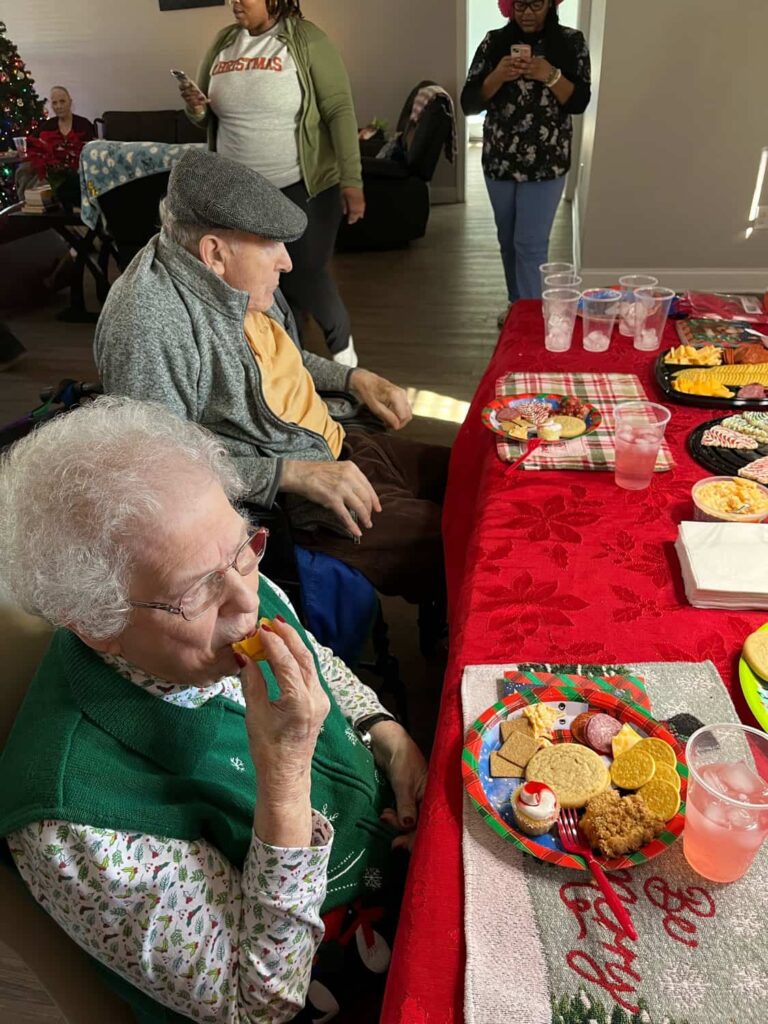
- Community Celebrations: Events celebrating holidays, birthdays, or other milestones can help residents feel included and valued within the community.
When researching senior living options, consider asking about the specific activities offered and how they align with the interests and needs of your loved one.
Keep in mind that services and programs can vary by community, so it’s important to find a setting that supports an active and fulfilling lifestyle for its residents.
How Can Families Stay Involved in Their Loved Ones’ Care?
You can remain engaged in your loved one’s care by participating in care planning meetings and sharing insights about their preferences and needs.
Regular visits not only provide emotional support but also enable you to keep an eye on their overall health and well-being.
It’s important to communicate openly with the care team about any concerns or changes you observe. Engaging in family councils can also be beneficial, as this allows you to have a voice in shaping community policies and practices.
Your involvement can significantly improve your loved one’s quality of life and overall care experience.
Here are some practical ways to stay connected:
- Attend Care Planning Meetings: These gatherings provide an opportunity to discuss your loved one’s care plan and any adjustments that may be needed.
- Visit Regularly: Frequent visits allow you to monitor their health and provide emotional support, fostering a sense of connection.
- Communicate with Staff: Share any observations or concerns with the care team to ensure your loved one’s needs are being met.
- Join Family Councils: Participating in these groups can empower you to influence policies and support initiatives that affect residents.
What Is the Staff-To-Resident Ratio in Assisted Living Communities?
In assisted living communities, the staff-to-resident ratio is an important factor to consider when evaluating care options for older adults. Typically, you may find a ratio of about 1 caregiver for every 8 residents during daytime hours.
However, this ratio can vary significantly based on the community’s size and the specific needs of its residents. Some communities may have ratios ranging from 1:6 to 1:20.
At night, the staffing ratio often changes, with many communities operating with a ratio of 1 caregiver for every 10 residents or more. Understanding these ratios is crucial, as they can impact the level of attention and care that residents receive.
When researching assisted living options, consider asking the following questions:
- What’s the staff-to-resident ratio during different times of day?
- How does the community ensure that residents receive adequate care and attention?
- Are there additional staff members available for emergencies or specialized care needs?
These inquiries can help you ensure that your loved ones will receive the appropriate support and care in their new home.
Are Pets Allowed in Assisted Living Facilities?
Yes, many senior living communities allow pets, but policies can vary significantly by provider. Generally, you may find that small dogs, cats, birds, and fish are permitted, while larger pets or specific breeds might face restrictions.
When considering a community for yourself or a loved one, it’s important to review the specific pet policies of each community, as they can differ. Here are some key factors to consider:
- Pet Size and Type: Check which types of pets are accepted and if there are size limitations.
- Number of Pets: Some communities may limit the number of pets a resident can have.
- Care Requirements: Ensure you understand the care needs of the pet and confirm that you or a caregiver can meet those needs independently.
- Vaccination Records: Be prepared to provide proof of vaccinations if required by the community.
- Pet-Friendly Amenities: Some communities offer additional services or spaces for pets, which may enhance the living experience for both residents and their pets.
Taking the time to thoroughly investigate these aspects will help ensure a comfortable and accommodating environment for both residents and their furry companions.
How Do Assisted Living Facilities Handle Emergencies or Medical Issues?
Assisted living communities manage emergencies and medical issues through well-defined protocols designed to ensure the safety and well-being of all residents.
When a sudden medical concern arises, staff members who are trained in emergency response are able to quickly identify the issue and evaluate the situation. They’ll initiate emergency services as needed and provide immediate first aid or CPR to stabilize the resident.
Once emergency personnel arrive, staff members facilitate a smooth transition by providing critical information about the resident’s condition and care history. This thorough communication is vital for ensuring that the resident receives appropriate treatment.
To maintain a high level of preparedness, many communities conduct regular emergency drills and training sessions for their staff. This ongoing training helps ensure that all team members are familiar with emergency procedures and can respond effectively in various situations.
When considering a senior living community, it’s beneficial to inquire about their emergency protocols and training practices. Here are some questions you might ask:
- What specific emergency procedures are in place?
- How often does the staff participate in emergency drills?
- Are staff members trained in first aid and CPR?
- How does the community communicate with families during emergencies?
Understanding these aspects can provide peace of mind as you explore care options for yourself or a loved one.