Why Everyday Companionship Matters in Senior Residential Care
Everyday companionship matters in senior residential care because it considerably boosts well-being. It reduces feelings of loneliness, fosters emotional support, and nurtures a sense of belonging. Engaging in conversations and activities with fellow residents uplifts spirits and creates joy. These connections lead to better mental health and a more vibrant community atmosphere. By prioritizing companionship, you help create a healthier environment that enriches lives. Discover more about how to enhance these connections for even greater benefits.
Key Takeaways
- Everyday companionship combats loneliness, reducing the risk of depression and anxiety among seniors in residential care.
- Engaging conversations and shared activities foster emotional support and enhance overall well-being.
- Regular interaction nurtures a sense of belonging, improving mental health and life satisfaction.
- Group activities, like games and art sessions, promote bonding and community engagement.
- Measuring changes in mood and social interactions helps assess the positive impact of companionship on residents.
How Does Companionship Impact Senior Well-Being?
Although many people underestimate the importance of companionship, it plays a crucial role in enhancing senior well-being. When you foster connections, you create a supportive environment that encourages emotional and mental health.
Companionship reduces feelings of isolation, making seniors feel valued and understood. Engaging in conversations, sharing stories, or simply enjoying a quiet moment together can uplift spirits and spark joy. You’ll notice how laughter and shared experiences can brighten a senior’s day, reinforcing their sense of purpose.
In addition, regular interaction can stimulate cognitive function, helping seniors stay sharp and engaged. By prioritizing companionship, you’re not just providing care; you’re nurturing lives, enriching their days, and reminding them they’re never alone in this journey. Additionally, social interaction is essential for combating loneliness and enhancing overall happiness.
Why Loneliness Matters for Seniors?
Loneliness can greatly impact seniors, affecting both their physical and mental health. When you consider the lives of older adults, it’s essential to recognize that isolation can lead to serious issues like depression, anxiety, and even cognitive decline.
Many seniors find themselves without regular social interaction, which can exacerbate feelings of emptiness. You’re in a position to make a difference by fostering connections and bringing joy into their lives. Engaging with seniors helps combat loneliness, encouraging them to share stories and experiences.
Simple acts of kindness—like a friendly visit or a shared meal—can remind them that they’re valued. By prioritizing companionship, you’re not just enriching their lives; you’re also contributing to a healthier, happier community. Providing choices in daily activities enhances their self-esteem and promotes a sense of autonomy.
How Does Companionship Improve Mental Health?
Companionship plays an essential role in enhancing mental health, as it offers emotional support and a sense of belonging. When you connect with others, you reduce feelings of isolation and anxiety.
Engaging in conversations and shared activities helps stimulate your mind and lift your spirits. You might find that simply being around others can spark joy and laughter, creating positive memories.
Additionally, having someone to talk to about your feelings can provide comfort during tough times. This social interaction not only boosts your mood but also fosters a supportive environment, encouraging you to express yourself openly.
Moreover, participating in local clubs and groups can further enhance these connections, allowing for shared interests to flourish.
How to Build Meaningful Relationships Among Senior Residents
Building meaningful relationships among senior residents can greatly enhance their quality of life, as it fosters a sense of community and belonging.
Start by encouraging open communication; create spaces where residents can share stories and experiences. Facilitate group discussions or storytelling sessions that spark connections. You might also consider pairing residents for one-on-one conversations, which can deepen bonds.
Regularly check in with residents to show you care and listen actively to their thoughts. Promote inclusive activities that allow residents to collaborate, whether through games or shared projects. Additionally, consider implementing peer mentorship programs that can help residents navigate social interactions and build trust within the community.
What Activities Encourage Companionship Among Seniors?
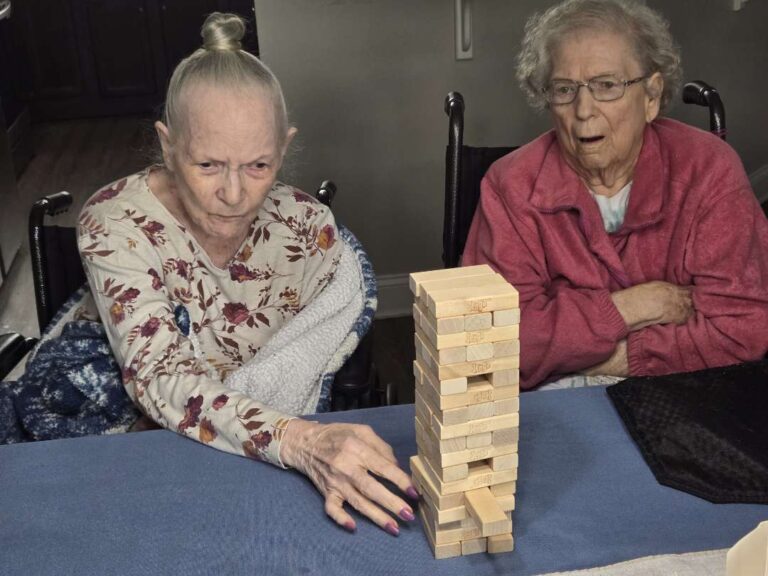
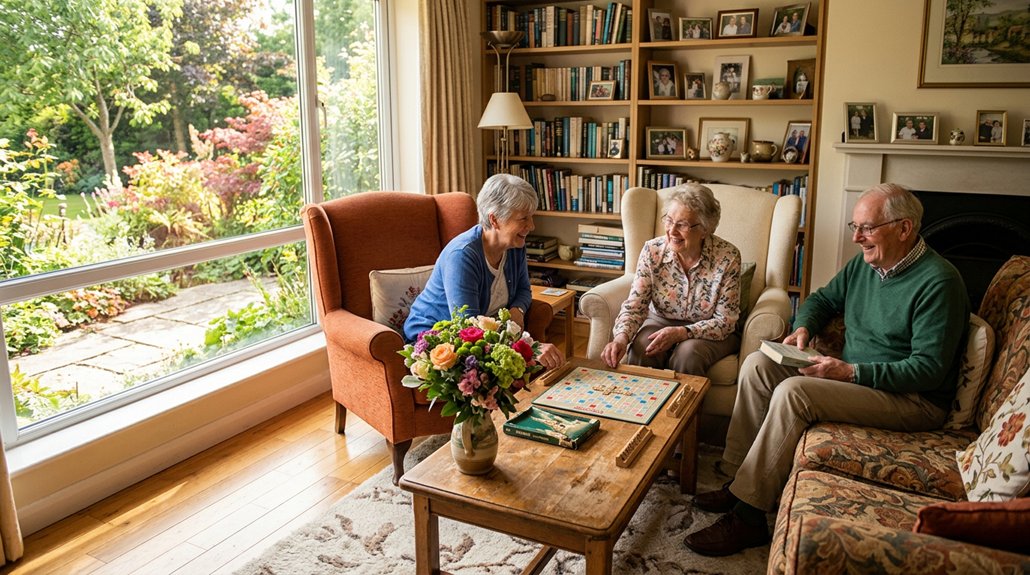
Engaging in enjoyable activities can greatly enhance companionship among seniors. Organizing group games like bingo or card tournaments fosters friendly competition and laughter.
Art and craft sessions allow residents to express their creativity while sharing stories and techniques with one another.
Cooking classes can be a delightful way to bond, as seniors work together to prepare meals, sharing recipes and memories.
Book clubs or discussion groups encourage conversation and connection over shared interests.
Regularly scheduled movie nights can spark joy and nostalgia, creating a sense of community. Additionally, incorporating shared meals into these activities can further strengthen connections and enhance the overall dining experience.
Strategies for Caregivers to Enhance Social Connections
While fostering social connections among seniors might seem challenging, caregivers can implement effective strategies to make it easier.
First, initiate regular group activities that encourage interaction, like game nights or art sessions.
Also, create buddy systems, pairing residents to foster deeper relationships.
Encourage seniors to share stories or skills with one another, tapping into their rich life experiences.
Use technology to connect them with family and friends through video calls, making those connections feel more present.
Finally, always be observant; notice who might be feeling lonely and gently encourage them to join in.
Your attentiveness can make a huge difference, helping seniors feel valued and connected. Family involvement enhances residents’ emotional and social well-being.
Building these social bridges enhances everyone’s well-being in your care.
Creating a Community-Focused Environment
You can also create spaces that invite interaction, such as cozy lounges or gardens. Consider organizing volunteer opportunities where seniors can contribute, reinforcing their value within the community. By prioritizing collaboration and engagement, you empower residents to share their stories and wisdom. In this supportive atmosphere, seniors thrive, experiencing joy and companionship daily, while the emphasis on personalized care ensures that each resident feels valued and understood.
How Technology Can Foster Companionship in Senior Care?
Building on the community-focused environment you’ve created, technology can play a significant role in enhancing companionship among seniors. Tools like video calls connect residents with family and friends, bridging physical distances.
Technology enhances companionship among seniors, bridging distances through video calls and fostering meaningful connections with family and friends.
Social media platforms can encourage interactions, allowing seniors to share experiences and memories. Additionally, user-friendly apps designed for seniors foster group activities, from book clubs to virtual game nights, promoting social engagement.
Wearable devices can also help monitor health, providing peace of mind while encouraging shared fitness goals. By integrating such technologies, you empower seniors to maintain relationships and create new ones, enriching their lives. Moreover, AI-driven predictive analytics can identify residents who may be at risk of social isolation, allowing caregivers to proactively facilitate connections.
Ultimately, these tech solutions can help you cultivate a deeper sense of belonging and community for everyone involved.
Measuring the Positive Impact of Companionship in Senior Living
As seniors engage in meaningful companionship, it’s essential to measure the positive impact this connection has on their well-being. You can start by observing changes in mood and engagement levels among residents. Surveys and feedback can provide valuable insights into their feelings of happiness and security.
Tracking social interactions offers a tangible way to assess how companionship reduces feelings of loneliness and isolation. Additionally, monitor physical health markers, such as improved mobility or reduced stress levels, which often correlate with positive social ties. Regular participation in gentle exercises can further enhance these benefits by promoting physical health and social engagement among residents.
Regular assessments won’t only highlight the benefits of companionship but also help tailor programs to enhance these connections further. Ultimately, your commitment to fostering these relationships can lead to a richer, more fulfilling life for every senior in your care.
Frequently Asked Questions
What Are the Signs of Loneliness in Senior Residents?
You might notice signs of loneliness in senior residents like withdrawal from activities, lack of engagement in conversations, changes in eating or sleeping habits, and expressions of sadness or frustration. These require your attention and care.
How Can Families Support Companionship in Senior Care?
You can support companionship by visiting regularly, engaging in conversations, organizing group activities, and encouraging friendships among residents. Small gestures, like sharing meals or playing games, can greatly enhance their social connections and overall happiness.
What Role Do Pets Play in Senior Companionship?
Pets provide unconditional love and companionship, helping seniors feel less lonely. They encourage social interaction, promote physical activity, and create routines. By caring for a pet, you enhance your loved one’s emotional well-being and joy.
Are There Specific Therapies That Promote Companionship?
Yes, therapies like art, music, and animal-assisted activities promote companionship. They encourage social interaction, boost mood, and foster connections, helping you create a warm, engaging environment that enhances residents’ overall well-being and happiness.
How Do Cultural Differences Affect Companionship Among Seniors?
Cultural differences shape how seniors perceive and engage in companionship. You’ll notice varying values in social interactions, communication styles, and expressions of care, which influence their connections and the overall sense of community.