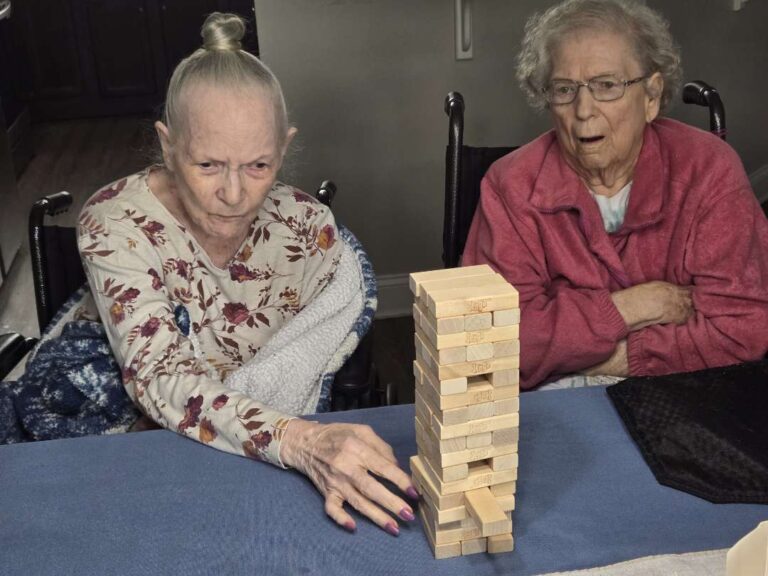
Questions Every Family Should Ask When Touring a Residential Care Home
When touring a residential care home, you should ask key questions about staffing, safety, accommodations, health services, and financial matters. Inquire about the nurse-to-resident ratio, cleaning practices, room options, and medical support availability. Don’t forget to clarify costs and billing practices as well. Knowing these details is essential for ensuring your loved one receives quality care. There’s much more you can discover about making the right choice for your family.
Key Takeaways
- Inquire about staff-to-resident ratios and RN availability, especially on weekends, to ensure adequate care.
- Ask about safety measures in place to prevent falls and maintain cleanliness throughout the facility.
- Evaluate the living environment for comfort, accessibility, and opportunities for personalization and social interaction.
- Confirm the qualifications of medical staff and the protocols for medication management and emergency response.
- Clarify costs, payment options, and the terms outlined in the written agreement to avoid surprises later.
Staffing and Care Quality

When touring a residential care home, how can you gauge the quality of care based on staffing? Begin by asking about the ratio of nursing staff and registered nurses (RNs) to residents, especially on weekends versus weekdays. A lower staff ratio often signals potential gaps in care.
Verify the facility meets the new CMS requirement for 24/7 RN presence, as this is vital for maintaining high care standards. Notably, 80% of nursing homes need to hire more RNs to comply with the 24/7 RN requirement. Additionally, inquire about the 3:1 caregiver ratio, which ensures personalized attention and monitoring of health needs.
Inquire about staff qualifications and ongoing training, particularly in areas like dementia care. High turnover rates can hinder continuity, impacting how well staff respond to resident needs.
Finally, ask how the home monitors quality-of-care measures, such as hospital transfers or infection rates. Facilities that exceed 4.1 nursing hours per resident day typically report better outcomes.
Your questions can help you understand how staffing directly influences the care your loved one will receive.
Safety and Cleanliness
Safety and cleanliness are essential factors to take into account in a residential care home. You’ll want to ask about the measures in place to prevent falls, as they’re the most common preventable incidents. Inquire if the home uses evidence-based protocols such as handrails, bed alarms, and non-slip flooring to enhance safety.
Check for clutter-free environments, proper lighting, and well-maintained floors to minimize accident risks. Additionally, a great assisted living community prioritizes personalized care to ensure that safety measures are tailored to individual needs.
In terms of cleanliness, confirm that routine cleaning schedules are in place for resident rooms and shared spaces. Ask about their infection control practices, including frequent handwashing and surface disinfection, especially after the COVID-19 pandemic.
Ascertain that staff are trained in hygiene protocols and that emergency preparedness plans are regularly updated. This proactive approach not only ascertains safety but also fosters a clean and healthy living environment for your loved ones. Additionally, be aware that approximately 1 in 10 nursing home residents experience some form of abuse, which further emphasizes the importance of careful monitoring of cleanliness and safety standards.
Accommodations and Living Environment
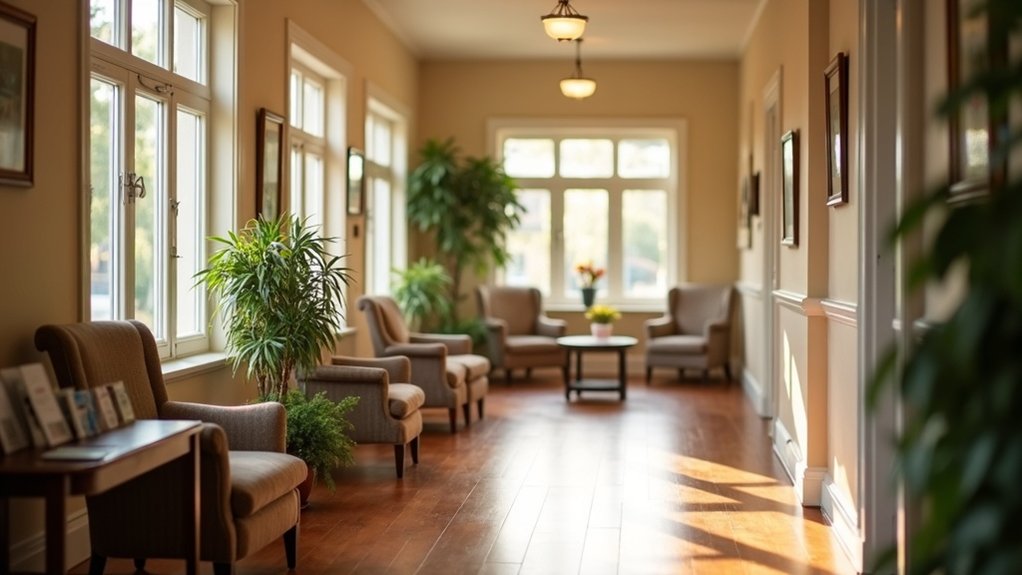
How do the accommodations and living environment cater to your loved one’s needs? When touring a residential care home, pay attention to the options for private or shared rooms, as well as features like individual thermostats and emergency notification systems that enhance safety. Notice how the home prioritizes a homelike atmosphere, allowing residents to personalize their space with cherished belongings and small appliances. It’s essential to ensure that the facility has a commitment to compassionate care, which promotes a warm and welcoming environment for residents.
Check if the environment promotes comfort and accessibility, with well-lit areas, controlled sound levels, and organized spaces to minimize fall risks. Regulations dictate minimum staffing ratios to ensure timely assistance with daily living activities and medical emergencies, which is crucial for resident safety. Explore communal areas designed for social interaction and access to outdoor spaces, fostering community and engagement. Verify that residents have their rights upheld, with privacy options and choices in daily routines. These elements collectively create a nurturing environment where your loved one can thrive, feel respected, and maintain their dignity.
Health Services and Medical Support
What should you look for regarding health services and medical support in a residential care home?
Begin by evaluating the qualifications and availability of medical staff. Confirm that registered nurses, licensed practical nurses, and certified nursing assistants are present in sufficient numbers to meet resident needs.
Check that routine nursing evaluations are conducted monthly and documented properly. It’s essential to ensure that the facility has a licensed professional who can perform regular assessments and reviews of resident care. Additionally, the commitment to continuous health monitoring ensures residents receive timely evaluations of their well-being.
Next, inquire about medication management protocols. It’s vital that facilities follow safe storage and administration practices and have clear procedures for handling medication errors.
Don’t overlook emergency medical response plans. Staff should be trained in CPR and first aid, and protocols for managing health emergencies must be established.
Finally, ask about the evaluation and care planning processes. Every resident should have an individualized care plan that reflects their medical, functional, and psychosocial needs, developed collaboratively with input from families when appropriate. This confirms that care aligns with resident preferences and safety.
Financial, Contractual, and Policy Matters

Understanding the financial, contractual, and policy aspects of a residential care home is just as important as evaluating the health services they provide. Start by asking about the costs, which can range considerably depending on room types and services. For instance, the 2024 annual median cost for a private room is around $127,750, and monthly fees for assisted living have risen to over $5,900. It’s worth noting that the national average for nursing home care in 2025 is projected to be $10,965 per month. Additionally, inquire about the facility’s personalized care plans to ensure they can cater to your loved one’s specific needs.
Clarify payment options—Medicare rarely covers custodial care, and Medicaid eligibility varies. Make certain you understand the written agreement, including fee increase policies and the terms for deposits and refunds. Transparency is key; inquire about billing practices, itemized statements, and how to address disputes.
Finally, ask about occupancy trends and admission criteria to gauge the facility’s stability and requirements. These questions will help ascertain you’re making a well-informed decision for your loved one’s care.
Frequently Asked Questions
What Is the Process for Handling Resident Complaints or Grievances?
When handling resident complaints, you’ll find a clear process in place. You can submit your concerns orally or in writing, and a designated Grievance Official will investigate.
They’ll acknowledge your complaint in writing and keep you informed throughout the process. After investigation, you’ll receive a summary of findings and actions taken.
Follow-ups guarantee your satisfaction, and external advocates like ombudsmen are available if you need additional support or guidance.
Are Residents Allowed to Have Pets or Visit With Animals?
Yes, many residential care homes allow residents to have pets or visit with animals, but policies vary.
You’ll often find pet-friendly options in independent living, while restrictions may increase in assisted living or skilled nursing settings.
It’s essential to check specific guidelines regarding pet types, sizes, and required vaccinations.
Even if personal pets aren’t permitted, many facilities offer therapy animal visits to enhance residents’ well-being and social engagement.
How Often Are Family Meetings Held to Discuss Resident Care?
Family meetings are typically held every three months to discuss resident care, but they can happen more frequently if there’s a significant health change.
You can also request a meeting anytime to address urgent concerns. These meetings help guarantee everyone’s on the same page regarding care goals, so don’t hesitate to participate actively.
Regular communication with the care team is key to providing the best support for your loved one.
What Measures Are in Place for Cultural or Dietary Preferences?
You’ll find that the facility takes cultural and dietary preferences seriously.
They’ve crafted menus with options to accommodate various religious, medical, and personal needs. Staff members receive training on cultural customs, ensuring they understand and respect different backgrounds.
You’ll also see spaces dedicated to prayer and meditation, while multilingual staff are available to aid communication.
They actively encourage residents to express their preferences, fostering an inclusive and supportive environment for everyone.
How Does the Facility Support Residents With Memory Care Needs?
The facility supports residents with memory care needs by implementing specialized programming tailored to their unique challenges.
You’ll find structured daily routines and evidence-based activities like music and art therapy that promote cognitive engagement.
Enclosed outdoor spaces allow safe physical activity, while trained staff provide individualized care plans that consider each resident’s preferences and abilities.
This thoughtful approach minimizes confusion and anxiety, ensuring a nurturing environment for those with dementia or Alzheimer’s disease.