The Value of Warm, Consistent Care in Assisted Living
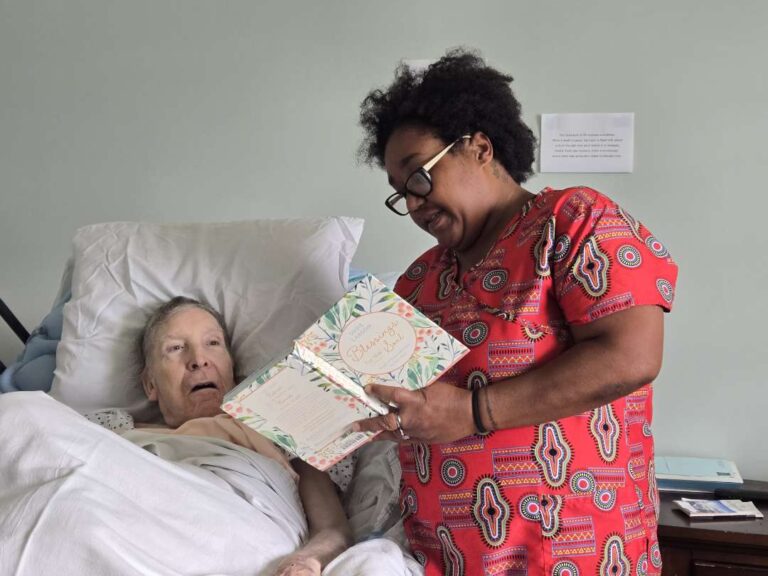
In assisted living, the role of warm, consistent care is crucial for the well-being of residents. When caregivers establish genuine relationships with older adults, it creates an environment of trust and emotional security. This connection can significantly enhance residents’ quality of life and support their independence.
It’s important to understand how this relational approach impacts various aspects of care. Here are some key considerations:
- Trust and Emotional Security: Building relationships helps residents feel safe and valued, which can lead to better emotional health.
- Independence: A supportive environment encourages residents to engage in daily activities, fostering a sense of autonomy.
- Clinical Outcomes: Positive relationships with caregivers can contribute to better health management, as residents may feel more comfortable communicating their needs and concerns.
- Staff Satisfaction: Caregivers who develop meaningful connections with residents are often more satisfied in their roles, leading to lower turnover rates and more stability in care.
When researching senior living options, it’s beneficial to consider how different communities prioritize these relationships and the overall atmosphere they create. Ask questions about caregiver-to-resident ratios, staff training in relationship-building, and how the community fosters social connections among residents. This information can help you make a more informed decision about the right care setting for yourself or your loved one.
Key Takeaways
Warm and consistent care is essential in senior living communities, as it fosters emotional connections that can significantly enhance residents’ overall well-being and quality of life. When caregivers are familiar and consistently present, they help build trust, which can reduce uncertainty and promote a sense of belonging for both residents and their families.
Communities that maintain higher staffing levels and stable caregiver assignments often provide better monitoring, which can improve safety and health outcomes for residents. Personalized care routines and meaningful interactions not only empower older adults but also support their independence. This is particularly important for seniors with cognitive impairments, as tailored approaches can help reduce feelings of agitation.
It’s also vital to consider the environment for staff within these communities. A supportive atmosphere can lead to better staff retention, which in turn fosters compassionate care. This continuity can ultimately help reduce healthcare costs for assisted living communities.
When researching care options, it may be helpful to ask about staffing practices, the consistency of caregiver assignments, and the types of personalized care routines offered. Understanding these aspects can aid in evaluating how well a community may meet the needs of residents and their families.
Enhancing Resident Satisfaction and Quality of Life
Enhancing resident satisfaction and quality of life in a senior living community involves cultivating respectful and warm relationships between staff and residents.
Prioritizing positive interactions can significantly impact the well-being of older adults. A consistent and caring approach from staff helps build trust, making residents feel valued and understood. Additionally, research has shown that the quality of life for seniors in assisted living facilities is greatly influenced by the care and relationships they receive. Incorporating personal touches into care routines can further enhance emotional connections between staff and residents.
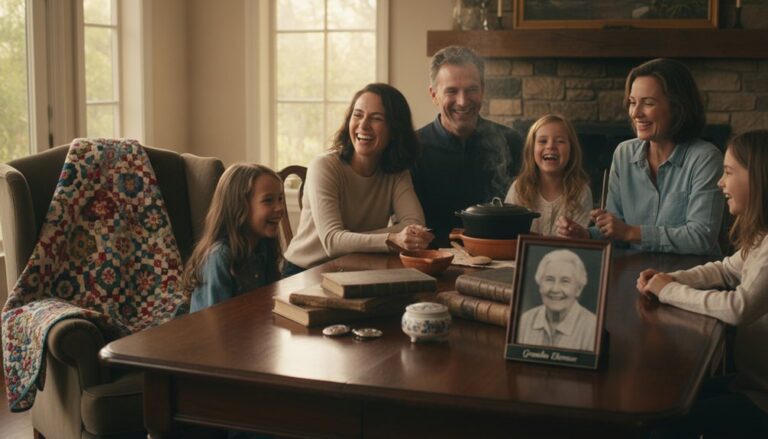
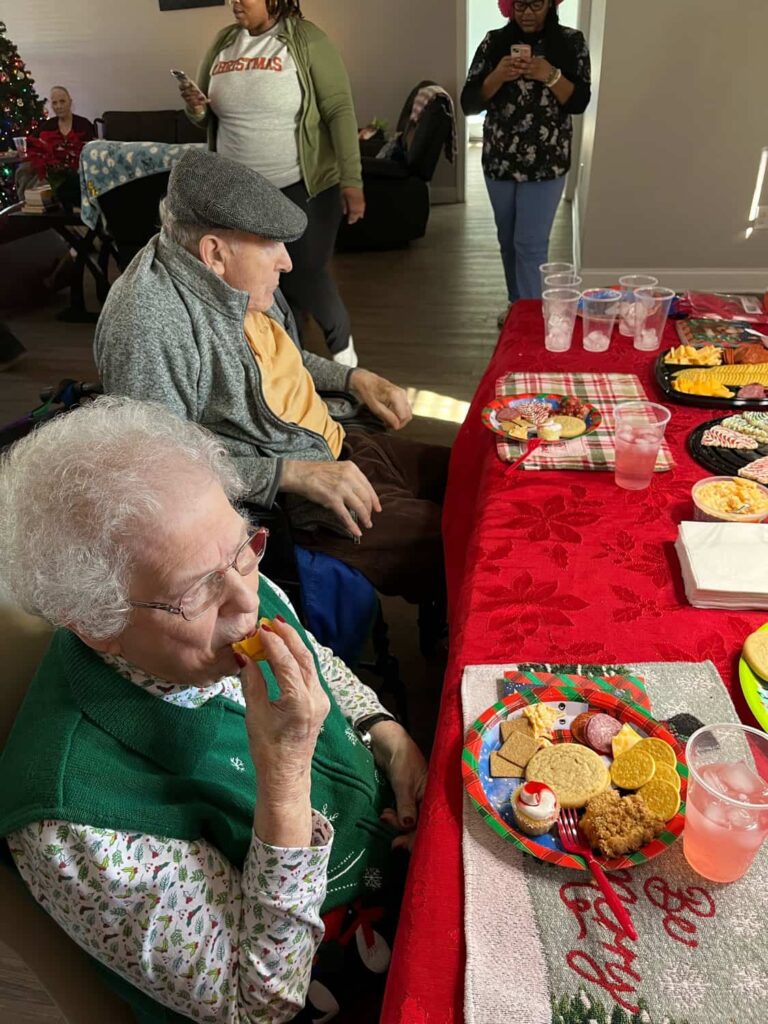
When residents are treated with dignity and affection, they often report higher satisfaction levels and a greater sense of belonging. Creating a family-like atmosphere can alleviate feelings of isolation and enhance emotional security.
Treating residents with dignity fosters belonging and emotional security, creating a family-like atmosphere that reduces isolation.
Maintaining stable staffing patterns is another important factor. Consistency in caregivers allows for the development of meaningful relationships, enabling residents to feel more connected and supported in their home.
Ultimately, a commitment to person-centered care can greatly enhance the daily experiences and overall quality of life for residents.
When researching senior living options, consider how communities foster these essential relationships and support their residents’ emotional and social needs.
Improving Clinical and Safety Outcomes
To enhance clinical and safety outcomes in assisted living, it’s important to implement proactive measures that cater to the specific needs of residents. Here are some practical steps to consider:
- Staffing Levels: Higher levels of registered nurses (RNs) and certified nursing assistants (CNAs) can significantly improve the monitoring of residents. This allows caregivers to detect subtle changes in health or behavior early on, which can lead to timely interventions. Personalized support fosters a sense of dignity and respect, further enhancing the emotional well-being of seniors.
- Consistent Staff Assignments: When caregivers are consistently assigned to the same residents, they become more familiar with their specific needs and can more easily identify changes, such as shifts in mobility or side effects from medications. This familiarity can facilitate the introduction of mobility aids or exercise programs as needed. Research indicates that consistent assignment improves socioemotional interactions and enhances relationships between aides and residents as a quality factor.
- Regular Environmental Assessments: Conducting assessments of the living environment with familiar staff members can help identify safety hazards, such as inadequate lighting or clutter. This proactive approach can enhance overall safety for residents while also recognizing their unique preferences and health conditions, creating a nurturing environment.
- Incident Reporting: Encouraging thorough incident reporting by caregivers who know the residents well can lead to improved data collection. This information can help inform targeted prevention strategies, ultimately fostering a safer community.
By focusing on these areas, senior living communities can create a safer and more supportive environment for their residents.
When evaluating care options, it’s worthwhile to consider how each community addresses these aspects, as services may vary by provider.
Building Emotional Security and Trust
Building emotional security and trust in a senior living community is crucial for creating an environment where residents feel valued and understood.
Building emotional security and trust in senior living fosters an environment where residents truly feel valued and understood.
Prioritizing relationship-centered care can foster strong interpersonal connections that enhance dignity and collaboration among residents and staff.
Here are key factors to consider when evaluating emotional security and trust in a care setting:
- Consistent Caregivers: Familiar faces can significantly reduce feelings of uncertainty. When residents interact regularly with the same caregivers, it encourages trust through repeated positive experiences.
- Effective Communication: Active listening and clear communication are essential. Caregivers should strive to involve residents in their care decisions, making them feel included and respected. This aligns with the vital need for effective communication to boost resident satisfaction.
- Respect for Individual Preferences: Recognizing and honoring residents’ personal choices helps create a sense of belonging and independence. This respect reinforces emotional safety and supports overall well-being.
- Reciprocal Care: A care approach that emphasizes mutual respect and understanding can enhance the emotional experience of residents. When care feels human-centered, it contributes positively to their emotional health.
When researching senior living options, consider these aspects to ensure that the community you choose prioritizes building trust and emotional security for its residents.
Supporting Dementia and Cognitive Impairment Care
As you research options for dementia and cognitive impairment care for yourself or a loved one, it’s important to consider how relationship-centered approaches can enhance the quality of life for residents. Warm and consistent interactions can help maintain cognitive function and support daily living skills.
Here are some key factors to keep in mind:
- Familiar Routines: Many seniors find comfort in familiar daily routines, which can help promote a sense of stability and security. Additionally, engaging activities such as those offered at Miss Bell’s can further enhance their daily experiences.
- Personalized Care: Engaging residents through personalized care not only supports their independence but also encourages participation during mealtimes and activities.
- Meaningful Connections: Building meaningful relationships can help reduce feelings of agitation and improve overall well-being.
- Adapted Environment: Consider communities that adapt their environments to meet individual needs. This may include sensory-friendly spaces or designated areas for socialization.
- Realistic Choices: Providing residents with realistic choices in their daily activities can empower them and make tasks feel more manageable. Approximately 70% of residents in the UK have dementia or severe cognitive impairment, underscoring the need for tailored support.
These elements highlight the importance of the quality of interactions between caregivers and residents. By focusing on building relationships, you can help mitigate feelings of loneliness and distress, enriching the lives of those in care.
When evaluating different senior living communities, consider asking about their approach to relationship-centered care, the routines they provide, and how they encourage engagement among residents. Services and offerings can vary significantly, so gathering this information can help you make an informed decision.
Addressing Staff Retention and Turnover
High turnover rates in assisted living and senior living communities present a significant challenge that can affect the quality of care delivered to residents. With turnover rates reaching as high as 42.1%, it’s important to understand the factors contributing to this issue. Common reasons include low wages, insufficient benefits, and demanding workloads, which can lead to staff members seeking opportunities elsewhere.
Creating a supportive and positive environment is crucial for improving staff retention. When team members feel valued, their commitment to the community strengthens. Additionally, implementing AI-driven predictive analytics can help identify staffing needs and enhance resource allocation, ultimately supporting staff and improving care.
A supportive environment enhances staff retention, fostering stronger commitment and care within the community.
Consider the following aspects when evaluating a senior living community’s approach to staff retention:
- Positive Relationships: Look for communities that foster strong connections among staff and between staff and residents.
- Recognition of Contributions: Communities that acknowledge and celebrate the hard work of their staff often see higher retention rates.
- Professional Development Opportunities: Access to training and growth can motivate staff to stay and improve the quality of care they provide. In fact, effective training should be role-specific and regularly updated to ensure staff feel confident in their roles.
- Clear Communication: Open lines of communication between staff and management can enhance teamwork and job satisfaction.
- Involvement in Decision-Making: Opportunities for staff to participate in decisions can increase their investment in the community.
Additionally, a culture that prioritizes staff well-being and safety is essential. When employees feel supported, they’re more likely to provide consistent and compassionate care to residents. This environment not only enhances employee satisfaction but also ensures that residents receive the attentive and nurturing care they deserve.
Realizing Economic Value and System-Level Impact
Understanding the economic value and system-level impact of assisted living care goes beyond just the numbers; it involves recognizing how effective staffing and meaningful relationships can enhance the lives of residents and manage overall healthcare costs.
When considering assisted living options, it’s important to note that prioritizing consistent staffing can lead to fewer hospitalizations and emergency care visits, which can ultimately result in cost savings for the healthcare system. Additionally, strong relationships between staff and residents can improve daily living activities and may delay the need for more expensive institutional care. In fact, the importance of consistent staff assignment can significantly enhance the overall experience of residents. Furthermore, the exceptional caregiver ratio at assisted living communities ensures that residents receive the attention they deserve.
It’s a common misconception that higher-quality care comes with a higher price tag. In many cases, good quality care can be comparable in cost or even less than poorer care, making it essential to evaluate the quality of services offered.
Continuity in care can also play a significant role in enhancing resident stability and well-being. When residents receive consistent support, they’re less likely to experience behavioral issues, which contributes to a better quality of life. This stability not only benefits residents but can also lead to considerable cost savings for families and the broader community.
As you explore senior living options, consider asking the following questions to better understand what each community offers:
- What’s the staffing ratio and how consistent is the staff?
- What types of relationships do staff members typically build with residents?
- How does the community approach daily living activities and personal care?
- What measures are in place to promote resident well-being and stability?
- How does the community manage healthcare costs and support residents in avoiding unnecessary hospitalizations?
Frequently Asked Questions
How Can Families Support Their Loved Ones in Assisted Living?
Supporting loved ones in assisted living can significantly enhance their quality of life. Here are several practical ways families can provide meaningful support:
- Regular Visits: Frequent visits can help residents feel connected and reduce feelings of loneliness. Engaging in conversations during these visits can foster a sense of belonging and enjoyment.
- Meaningful Engagement: Take part in activities that are important to your loved one. This could include playing games, reading together, or simply sharing stories. Such interactions can promote mental stimulation and emotional well-being.
- Collaboration with Staff: Maintain open communication with the care staff. Share insights about your loved one’s preferences, habits, and needs. This collaboration can lead to more personalized care.
- Advocacy: Attend care meetings and stay informed about your loved one’s condition and care plan. Advocating for their needs and preferences can help ensure they receive appropriate support.
- Emotional Support: Providing emotional support through regular check-ins and conversations can help residents feel valued and understood. This connection can be vital in reducing feelings of isolation.
What Training Do Caregivers Receive in Assisted Living Communities?
Caregivers in assisted living communities undergo comprehensive training that combines both classroom instruction and hands-on experience. This training typically encompasses crucial areas such as personal care, assistance with activities of daily living, safety protocols, and medication management.
Most states establish requirements for a minimum number of instructional hours, which are often accompanied by supervised on-the-job training. This structured training process ensures that caregivers are well-prepared to address the diverse needs of residents while upholding safety standards.
When considering a senior living community, it’s important to understand the training caregivers receive, as it plays a significant role in the quality of care provided.
This training is essential for delivering effective support and maintaining the well-being of older adults in these care settings.
How Is Resident Feedback Incorporated Into Care Practices?
Resident feedback is an essential component of care practices in senior living communities. Care teams often gather this feedback through structured surveys and regular check-ins with residents. The insights gained about individual preferences and daily routines help in creating personalized care plans.
This tailored approach can lead to adjustments in various aspects of daily life, including:
- Activities: Modifying scheduled events to align with residents’ interests and capabilities.
- Dining Options: Offering meal choices that cater to the tastes and dietary needs of residents.
- Support Levels: Adjusting the amount of assistance provided based on what residents express regarding their comfort and needs.
Additionally, resident councils play an important role in ensuring that the voices of residents are heard. These councils provide a platform for residents to share their concerns and suggestions, contributing to ongoing improvements within the community.
This collaborative approach not only enhances the living environment but also promotes overall satisfaction and well-being among residents.
When researching senior living options, consider how the community incorporates resident feedback into its care practices, as this reflects its commitment to addressing the needs and preferences of older adults.
What Role Do Family Members Play in Resident Care Plans?
Family members play a vital role in shaping resident care plans in senior living communities. By sharing insights about their loved one’s preferences, daily routines, and emotional needs, families can help ensure that care is personalized and reflects the resident’s goals.
Here are some key ways family involvement enhances care plans:
- Advocacy for Individualized Care: Family members can advocate for care that aligns with their loved one’s wishes, ensuring their unique needs are met.
- Improved Communication: Active participation fosters better communication between family and staff, leading to a more cohesive care experience.
- Supportive Environment: Engaging in care conferences and sharing observations creates a supportive atmosphere that prioritizes the resident’s well-being.
When researching senior living options, consider how the community encourages family involvement in care planning. This aspect can significantly influence the quality of care your loved one receives and contribute to a positive living experience.
How Do Assisted Living Communities Ensure Cultural Competence in Care?
Assisted living communities prioritize cultural competence in care to effectively support residents from diverse backgrounds. Here are some key ways they achieve this:
- Staff Training: Staff members often undergo training in cultural competence, which enhances their awareness and skills to address the varied needs of residents.
- Personalized Care Plans: Communities typically conduct thorough assessments to create personalized care plans. This includes integrating cultural preferences into daily routines, ensuring that residents feel comfortable and respected.
- Communication Support: Many communities provide interpreters and translated materials to facilitate clear communication. This is essential for residents who may speak different languages or require assistance in understanding care instructions.
- Cultural Liaisons: By engaging with cultural liaisons, communities can foster an inclusive environment where all residents feel valued. These liaisons help bridge cultural gaps and support staff in understanding residents’ unique backgrounds.
When researching assisted living options, consider asking about specific policies and practices related to cultural competence.
Understanding how a community addresses these aspects can help ensure that your or your loved one’s cultural needs will be met effectively.