Why Personal Support Matters in a Smaller Senior Living Home
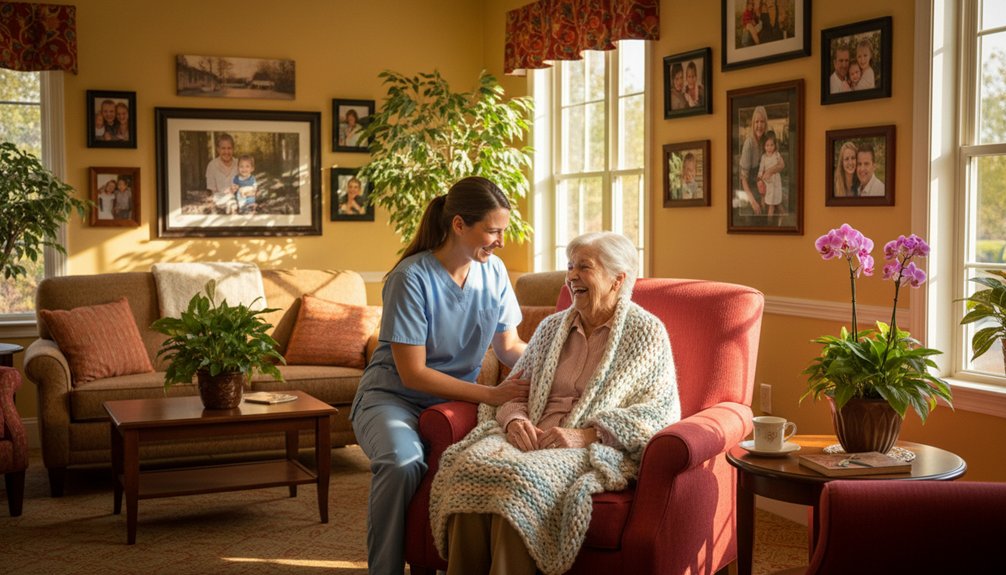
In smaller senior living communities, personal support plays a crucial role in enhancing the care experience for residents. With fewer individuals in these homes, caregivers often have the opportunity to focus more closely on each resident’s unique needs and preferences. This can lead to a more personalized approach to care, which not only fosters stronger relationships between staff and residents but can also significantly improve the overall quality of life.
Living in an intimate setting like this allows for the development of meaningful connections, contributing positively to a resident’s sense of belonging and well-being. Here are some benefits of personalized support that may arise in smaller senior living environments:
- Tailored Care Plans: Caregivers can create customized care plans that align with each resident’s individual health requirements and lifestyle preferences.
- Stronger Relationships: The ability to spend more time with fewer residents can help caregivers build trust and rapport, which is essential for effective communication and care.
- Enhanced Social Interaction: Smaller communities often facilitate more social engagement among residents, reducing feelings of isolation and loneliness.
- Responsive Care: With fewer residents to attend to, staff can often respond more quickly to the needs of individuals, whether it’s for assistance, companionship, or medical attention.
When considering a senior living option for yourself or a loved one, it may be helpful to ask questions about the level of personal support available, the staff-to-resident ratio, and how care plans are tailored to meet individual needs. Understanding these factors can provide valuable insight into the potential benefits of a smaller community setting.
Key Takeaways
Personalized support in smaller senior living communities can significantly enhance the overall satisfaction of residents. These settings often provide individualized care plans tailored to meet the unique needs of each older adult, which fosters a sense of belonging and care.
In smaller homes, residents typically interact with familiar caregivers, which can help build trust and emotional connections. This familiarity can reduce feelings of anxiety and promote a more comfortable living environment.
The close-knit nature of smaller communities also encourages stronger social interactions among residents, contributing to emotional well-being and an improved quality of life. Engaging with peers can lead to meaningful relationships and a supportive network, which is vital for mental health.
Consistent staffing is another benefit of smaller senior living homes. Caregivers who are regularly present are better positioned to notice subtle changes in a resident’s health, allowing for prompt interventions when necessary. This can be crucial in maintaining residents’ well-being.
Moreover, residents in these environments often enjoy greater autonomy and choice in their daily routines. This empowerment can enhance their sense of dignity and independence, allowing them to maintain control over their lives as much as possible.
When considering options for senior living, it is important to inquire about the level of personalized care, staff consistency, and opportunities for social engagement. Each community may offer different services and amenities, so take the time to explore and ask questions that will help you make the best decision for yourself or your loved one.
Enhanced Personalized Care Experiences
When exploring the benefits of personalized care in senior living communities, it’s important to understand how individualized attention can significantly enhance the experiences of residents. Tailoring care plans to align with each resident’s medical needs, daily routines, and emotional support can lead to improved health outcomes.
Consider the following aspects of personalized care:
- Goal-Oriented Strategies: Many communities implement strategies aimed at reducing falls and maintaining stable blood pressure, which can lead to lower healthcare utilization and better clinical results.
- Caregiver-to-Resident Ratios: In smaller homes, a lower ratio of caregivers to residents often allows for closer monitoring of each individual, enhancing their safety and well-being. This personalized approach fosters trust between families and care providers, ensuring peace of mind for loved ones.
- Opportunities for Autonomy: Encouraging independence is a key aspect of personalized care. Residents may benefit from engaging actively in their daily lives, which can contribute to their overall satisfaction and sense of purpose.
By focusing on personalized support, senior living communities strive to create environments where residents feel comfortable, secure, and valued. This approach can lead to improvements in both emotional and physical health, making it a vital consideration for families researching care options.
Personalized support in senior living fosters comfort and security, enhancing both emotional and physical well-being for residents.
When evaluating different communities, think about the specific services they offer, the level of personalization available, and how they foster a supportive and engaging atmosphere for older adults.
Building Stronger Relationships Through Familiarity
Personalized care plays a crucial role in fostering strong relationships through familiarity in senior living communities.
When caregivers consistently work with the same residents, they build trust and emotional security, helping to create an environment that feels like a second home. This familiarity can lead to deeper connections, which contribute to better psychosocial outcomes and enhanced quality of life for residents. Additionally, the emotional aspects of caregiving provide meaning to direct care workers (DCWs), as they derive satisfaction from feeling needed and emotionally close to residents emotional aspects of caregiving. Everyday companionship an important factor in these interactions uplifts spirits and sparks joy, further enriching the experience for both residents and caregivers.
Regular interactions with familiar caregivers can help reduce anxiety and stress, offering a greater sense of safety for older adults. Caregivers who are familiar with residents’ routines and preferences are better equipped to respond effectively to their needs.
As these stable relationships develop, they not only improve care coordination but also promote a sense of belonging, making each resident feel valued and significant within their community.
When considering senior living options, it’s important to ask about the consistency of caregiver assignments and how the community fosters familiarity among staff and residents.
This aspect can significantly influence the overall experience and well-being of seniors in care settings.
Quality-of-Life Improvements in Smaller Settings
Smaller senior living communities can significantly enhance the quality of life for residents by creating a more intimate and engaging environment. Research indicates that these settings often lead to higher resident satisfaction, particularly due to increased opportunities for physical and social activities. For example, models such as the Green House approach have shown favorable self-reported quality-of-life outcomes across various measures. Residents in these homelike units may experience lower levels of anxiety and greater emotional comfort, contributing positively to their daily well-being. Notably, nursing home size is a key predictor of resident satisfaction, underscoring the importance of smaller settings. When considering a senior living option, it’s important to evaluate how the environment fosters connections and a sense of belonging. Smaller homes often encourage stronger relationships among residents and staff, which can enrich the lives of individuals and enhance their overall happiness. Furthermore, communities like Miss Bell’s Assisted Living prioritize personalized care plans that adapt to the evolving needs of residents, ensuring that each individual feels valued and supported. As you research care options, consider asking potential communities about their approach to resident engagement, available activities, and how they create a homelike atmosphere. These factors can play a crucial role in the well-being of your loved one or yourself in a senior living environment.
Promoting Resident Autonomy and Dignity
Promoting resident autonomy and dignity in senior living communities is essential for helping older adults feel a sense of self-worth and belonging. Here are some important considerations for families researching care options:
- Choice in Daily Routines: Look for communities that allow residents to choose their daily schedules, including wake-up times, meal preferences, and activity participation. Flexible schedules can help create a more personalized living experience.
- Respect for Personal Space: It’s crucial for communities to respect residents’ privacy and personal space. Ensure that any confidential matters are handled with sensitivity and care.
- Person-Centered Care: Consider communities that practice person-centered care, which encourages residents to express their preferences and needs. This approach reinforces dignity and promotes a sense of individuality. Furthermore, implementing person-centered care can address the barriers to dignity that many older residents face. Regular assessments can further enhance understanding of individual needs for tailored support.
- Involvement in Decision-Making: A community that involves residents in decision-making processes and governance can enhance their sense of control over their lives, contributing to their overall well-being.
- Community Environment: Evaluating the community atmosphere is important. Look for environments that prioritize autonomy and dignity, fostering a vibrant setting where each resident feels valued and empowered.
When comparing options, consider asking specific questions about how each community supports resident autonomy and dignity. This can help ensure that the chosen environment aligns with the values and needs of the older adult or loved one.
Fostering Emotional and Social Connections
Creating a supportive environment in senior living communities involves more than simply respecting the autonomy and dignity of residents; it’s also about nurturing emotional and social connections.
In smaller communities, relationships tend to develop more robustly. With fewer residents, staff members can engage more frequently with individuals, allowing them to learn personal routines and preferences, which helps to foster familiarity and trust. This consistent interaction contributes to a sense of belonging that can be difficult to achieve in larger settings. Additionally, social isolation is recognized as a significant public health problem linked to increased risks of death, depression, anxiety, and cognitive disorders. The emphasis on emotional well-being at facilities like Miss Bell’s Assisted Living highlights the importance of addressing these issues proactively.
Shared activities, such as group games or technology training, may significantly reduce feelings of loneliness and enhance mental well-being among older adults. Building trust through regular interactions with familiar caregivers encourages residents to feel comfortable sharing their thoughts and emotions.
Engaging in shared activities fosters trust and reduces loneliness, promoting emotional well-being among older adults.
By prioritizing these social and emotional connections, communities not only improve daily experiences for residents but also actively support their emotional health and cognitive functioning.
When researching care options, consider asking about the following aspects that can impact emotional and social connections:
- Community Size: Smaller communities may offer more opportunities for personal interaction.
- Staff-to-Resident Ratio: A higher ratio often allows for more individualized attention and relationship-building.
- Activity Offerings: Look for communities that provide a variety of group activities that encourage socialization.
- Caregiver Consistency: Regular caregivers can help foster trust and familiarity with residents.
- Engagement Strategies: Inquire about how the community encourages residents to connect with one another.
Swift Recognition of Health Changes
Recognizing health changes promptly is crucial for ensuring the well-being of residents in senior living communities. Establishing a health baseline for each resident can help caregivers identify any deviations that may indicate a decline in their condition. By observing daily activities, mobility, and behavior, caregivers can spot subtle changes that might go unnoticed otherwise.
To support this monitoring process, many communities utilize structured checklists and early warning tools, such as the “Stop and Watch” program. These tools empower caregivers to communicate concerns to licensed clinicians quickly, facilitating early intervention when needed. Proactive monitoring not only aids in early detection but can also lead to improved clinical outcomes, especially as early identification of changes can prevent worsening health issues. This approach to care aligns with the principle of personalized support, recognizing that each resident’s unique needs must be acknowledged to enhance their overall quality of life.
In smaller care settings, close monitoring can significantly reduce the risk of unrecognized health deterioration, which can help prevent unnecessary hospital transfers.
It’s important for family members and caregivers to be diligent in recognizing and documenting any changes in a resident’s health, as this attention to detail can make a meaningful difference in their quality of life.
When researching senior living options, consider asking about the community’s approach to health monitoring and the tools they employ to support resident well-being.
The Role of Consistent Staffing in Care
When exploring senior living options for yourself or a loved one, it’s important to consider the benefits of consistent staffing within these communities. Consistent staffing can lead to improved care and better health outcomes for residents. Caregivers who remain in the same community over time are more likely to build meaningful relationships with residents, which helps ensure that care aligns with individual preferences and needs.
Familiarity with caregivers can be especially beneficial for residents living with dementia, as it fosters trust and enhances their comfort, reducing anxiety and distress. Additionally, communities with stable staffing often experience lower rates of health issues, such as pressure ulcers and infections. This is largely because caregivers who know the residents well can quickly identify any changes in their condition and respond appropriately. In fact, research indicates that higher RN staffing levels significantly decrease the likelihood of pressure sores and urinary tract infections. Furthermore, a strong emphasis on personalized care plans ensures that each resident’s unique needs are consistently met.
Familiar caregivers enhance trust and comfort for residents with dementia, leading to better health outcomes and quicker response to changes in condition.
Moreover, a supportive work environment is crucial for caregiver job satisfaction. When caregivers feel supported and valued, they’re better able to provide person-centered care consistently. This continuity not only enhances resident satisfaction but also contributes to the overall well-being of caregivers, creating a nurturing environment for everyone involved.
When researching senior living communities, consider asking the following questions related to staffing:
- What’s the staffing model used in the community, and how does it contribute to resident care?
- How frequently do caregivers interact with the same residents?
- What measures are in place to support caregiver retention and job satisfaction?
- How does the community ensure that caregivers are familiar with each resident’s individual needs and preferences?
Understanding these aspects can help you make an informed decision about the quality of care in a senior living community. Consistent staffing plays a significant role in the overall experience of residents and can be a key factor in selecting the right home for your loved one.
Creating a Homelike Environment
Creating a homelike environment in senior living communities can significantly enhance the quality of life for older adults, making them feel more comfortable and at ease. Many communities adopt small-scale, household models that accommodate 8 to 12 residents, fostering a family-like atmosphere.
Private bedrooms and bathrooms are important for ensuring dignity, while communal areas, such as open kitchens and cozy living rooms, encourage social interactions among residents. Warm colors, soft lighting, and personal décor contribute to a sense of belonging and comfort. Additionally, the community at Miss Bell’s Assisted Living provides a variety of services that cater to residents’ unique needs, enhancing their overall well-being.
On-site kitchens may allow for familiar meal preparation, which can evoke comforting scents and memories associated with home cooking. Furthermore, empowering residents to shape their daily routines enhances their sense of autonomy and individuality. Research has shown that the Green House model can lead to lower hospital readmission rates and improved interactions between staff and residents, further enriching the supportive environment.
When considering a senior living community, it’s valuable to look for these features:
- Small household models: Communities that group residents into smaller units can create a more intimate and supportive environment.
- Private living spaces: Check for private bedrooms and bathrooms that respect personal privacy and dignity.
- Common areas: Look for inviting communal spaces that encourage socialization and engagement among residents.
- Personalization options: Inquire about opportunities for residents to personalize their living spaces with personal décor.
- Meal preparation: Consider communities with on-site kitchens that allow for familiar meal preparation.
- Daily routines: Evaluate how the community supports residents in maintaining their daily routines and activities.
Encouraging Resident Involvement in Care Planning
Encouraging resident involvement in care planning is an important aspect of senior living communities. Engaging residents in their care fosters a sense of ownership and empowerment. When residents participate in their care planning, they often feel more valued and respected, recognizing their role as co-creators of their care journeys.
It’s essential for residents to understand their rights to make choices about their care, daily activities, and schedules. Senior living communities can facilitate this involvement by providing both formal and informal opportunities for engagement. This can include structured care plan meetings as well as casual conversations with staff, allowing residents to express their preferences and concerns. Person-directed care planning is a crucial approach that ensures residents are at the center of their care decisions. Additionally, comprehensive care plans help tailor support to individual needs, ensuring that each resident’s unique preferences are acknowledged.
To empower residents to take an active role in their care, it’s helpful to provide accessible information about treatments and options. When residents feel informed, they can participate more meaningfully in discussions about their care. Listening to their feedback and incorporating it into care planning can strengthen the partnership among residents, families, and staff, ultimately leading to improved quality of care and support.
Empowering residents with accessible information enhances their participation in care discussions and strengthens partnerships with families and staff.
When considering a senior living community, it may be beneficial to ask questions such as:
- How does the community involve residents in their care planning?
- What opportunities are available for residents to express their preferences?
- How is feedback from residents incorporated into their care plans?
The Impact of Smaller Communities on Well-Being
Smaller communities in senior living homes can significantly enhance the well-being of residents by creating a more intimate and supportive environment. These settings often lead to higher levels of resident satisfaction and emotional health.
With fewer residents, opportunities for social interaction increase, allowing for stronger relationships with staff, which can help alleviate feelings of anxiety and depression. Research indicates that smaller, homelike units often contribute to improved quality of life and functional abilities, enabling residents to engage in daily activities more effectively. A significant reduction in anxiety levels among residents in small-scaled care facilities further emphasizes the positive impact of these environments. Additionally, the 3:1 caregiver ratio ensures that residents receive personalized attention, further enhancing their comfort and support.
When a nurturing atmosphere is established, characterized by low conflict and high social cohesion, emotional well-being can see a marked improvement. In these environments, individuals typically experience a stronger sense of belonging, which can enrich their overall living experience.
When considering a senior living community, here are some factors to keep in mind:
- Community Size: Smaller communities may offer more personalized attention and foster closer relationships among residents and staff.
- Social Interaction: Look for communities that encourage social activities and interactions, as these can play a vital role in emotional health.
- Quality of Life: Inquire about how the community promotes engagement in daily activities and supports residents’ functional abilities.
- Atmosphere: Consider the overall environment, including how conflict is managed and the level of social cohesion among residents.
- Sense of Belonging: A community that fosters a strong sense of belonging can enhance residents’ overall satisfaction and emotional well-being.
Frequently Asked Questions
What Types of Activities Are Offered in Smaller Senior Living Homes?
In smaller senior living homes, a range of activities is often available to enhance the quality of life for residents.
These activities are designed to promote engagement, social interaction, and overall well-being. Here are some common offerings you might find:
- Social Activities: Many communities have book clubs, board games, and themed dinners that encourage residents to connect with one another.
- Physical Wellness: Options such as chair yoga and walking clubs can help residents maintain mobility and support overall health.
- Creative Pursuits: Activities like arts and crafts, music programs, and cooking demonstrations provide residents with opportunities for self-expression and creativity.
- Emotional Support: Outdoor gardening and pet therapy can contribute positively to residents’ emotional well-being.
- Outings: Many communities arrange outings to local attractions or events, allowing residents to engage with their surroundings and enjoy new experiences.
When researching senior living options, it may be beneficial to inquire about the specific programs available in each community, as offerings can vary widely.
Understanding these activities can help you assess which environment might best suit the preferences and needs of you or your loved one.
How Do Smaller Homes Handle Emergency Situations?
In smaller homes, effective handling of emergency situations is crucial for ensuring the safety and well-being of residents. Here are some key practices that are typically implemented:
- Cross-Training Staff: Staff members are often cross-trained and assigned clear roles to ensure a coordinated response during emergencies. This flexibility can help maintain order and security.
- Designated Exit Routes: Clear and well-marked exit routes are established, allowing both residents and staff to evacuate quickly and safely if necessary.
- Regular Drills: Conducting regular emergency drills is important for preparing both residents and staff. These drills help everyone become familiar with procedures and reduce panic during real emergencies.
- Communication Methods: Effective communication methods are set up to facilitate quick alerts. This can include alarms, announcements, or other systems that ensure everyone is informed promptly.
- Essential Supplies: Maintaining a stock of essential supplies is vital for prolonged disruptions. This may include food, water, medications, and other necessities that residents may need during an emergency.
- Coordination with Family and Emergency Responders: Collaborating with family members and local emergency responders helps create a supportive environment. This coordination ensures that everyone is informed and that care can continue seamlessly in times of crisis.
When researching senior living options, it’s important to inquire about how different communities prepare for emergencies. Understanding these practices can provide peace of mind and help families make informed decisions about care settings.
What Qualifications Do Staff Members in Smaller Homes Typically Have?
Staff members in smaller homes often have formal training in direct care, typically completing at least 40 hours of instruction. Many of these caregivers hold certifications as nurse aides or home care aides, which reflect their commitment to providing quality support. Background checks are conducted to ensure the integrity and good character of staff members, fostering a safe environment for residents.
In addition to their foundational training, caregivers in these settings frequently receive specialized education in areas such as dementia care and mental health. This ongoing training, which is often renewed annually, helps staff maintain their skills and stay informed about best practices in elder care.
This combination of training and continuous education equips staff members to offer compassionate and effective care tailored to the needs of residents, ensuring a supportive environment for older adults.
When researching care options for yourself or a loved one, it’s beneficial to inquire about the specific qualifications and training of staff in any community you consider.
Are Family Members Involved in the Care Planning Process?
Yes, family members play a crucial role in the care planning process for seniors. Typically, they’re invited to participate in scheduled care conferences, where they can ask questions and provide valuable insights about their loved one’s needs and preferences.
This collaborative approach ensures that care plans are tailored to what truly matters to the resident.
Regular communication with the care team is also important. Family members can stay informed through phone calls or visits, which allows them to remain engaged and contribute meaningfully to their loved one’s care.
How Is Privacy Maintained in Smaller Senior Living Environments?
In smaller senior living communities, privacy is an important consideration for residents, and various measures are typically in place to support this. Here are some key aspects to think about:
- Entry Protocols: Staff members are usually trained to respect residents’ privacy by knocking before entering private rooms and seeking consent before proceeding. This helps to create a respectful environment.
- Lockable Doors and Secure Storage: Many communities offer lockable doors and secure storage options, allowing residents to keep their personal belongings safe and secure.
- Personal Care Routines: During personal care routines, privacy is generally prioritized. Staff often close doors and draw curtains to ensure that residents feel comfortable and protected during these times.
- Private Communication: Residents can typically communicate with visitors in private settings, allowing for confidential conversations without interruptions.
- Access to Personal Records: Residents usually have the right to access their personal records confidentially, which is essential for maintaining autonomy and control over their care.
- Home-like Atmosphere: Smaller communities often strive to provide a home-like environment that supports the dignity and individuality of each resident.
When exploring senior living options, it’s important to inquire about specific privacy policies and practices to ensure that they align with the needs and preferences of the individual or loved one considering the move.